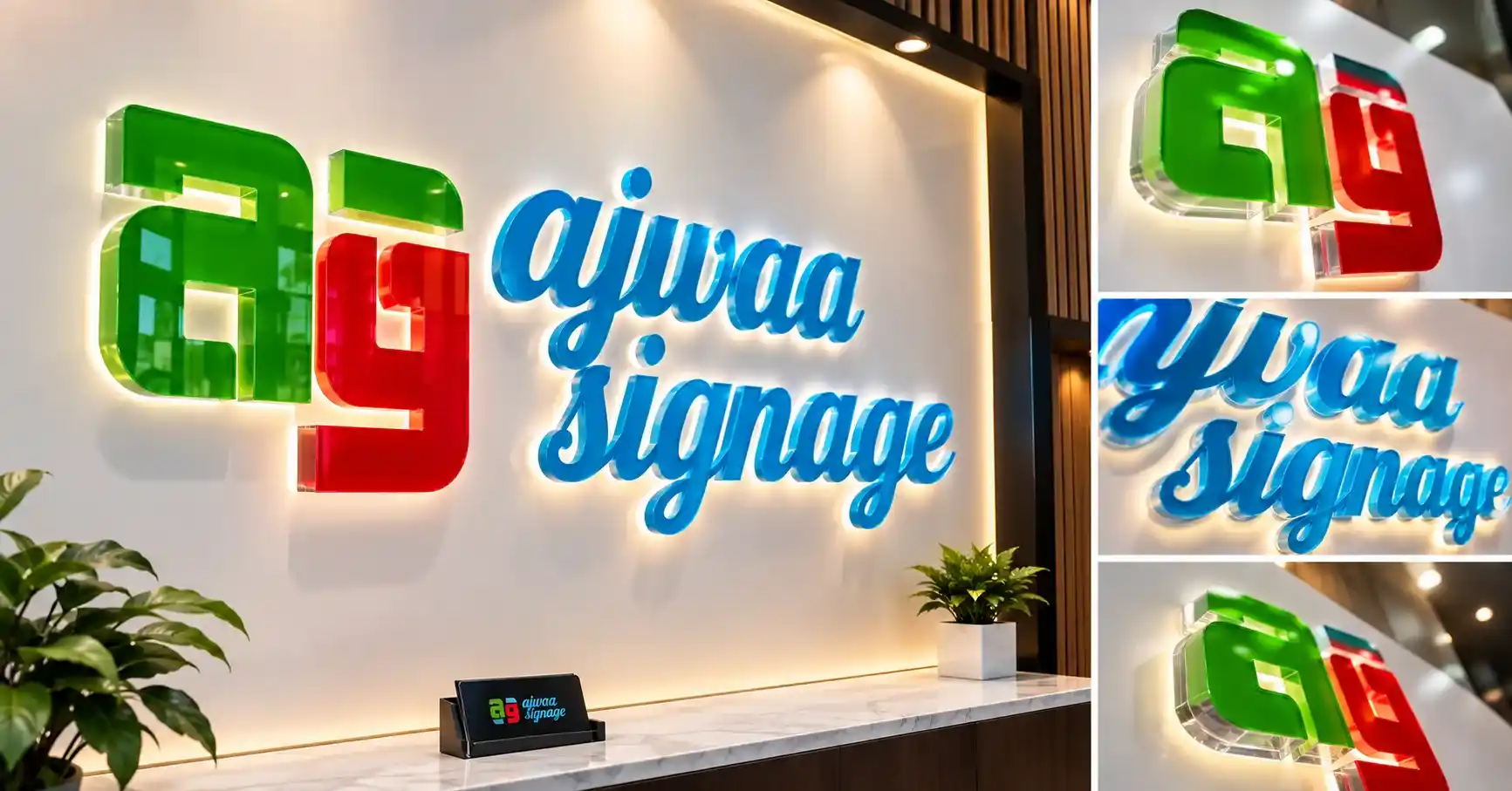
Choosing a business sign involves more than color. Material, depth, size, finish, lighting, and installation all affect appearance. Understanding 3D Acrylic Signage Dubai options can help a business owner select signage that suits the building. The 3d acrylic sign board specification helps when comparing suppliers because it brings details together.
Understanding Acrylic as a Signage Material
Acrylic is popular for commercial signs because it has a smooth surface, clean appearance, and many color choices. It can be cut into precise shapes for letters, logos, and decorative elements. Depending on the design, it may be used as solid lettering, layered lettering, or a face mounted over another material.
A practical 3d acrylic sign board specification considers acrylic type, color, finish, dimensions, and installation area. Clear acrylic can create a glass like appearance, while opaque sheets provide stronger color. Frosted finishes offer a softer effect and work well in contemporary interiors.
Why Material Choice Matters
Acrylic is relatively lightweight compared with many rigid sign materials, making handling and installation convenient. It provides a refined finish for reception areas, retail stores, offices, salons, restaurants, and building entrances. For outdoor use, acrylic, adhesives, mounting method, and local conditions should be considered together.
Choosing the Right Size and Letter Depth
Size should relate to viewing distance, wall dimensions, logo proportions, and information displayed. A small reception sign needs different dimensions from a large exterior fascia. Oversized letters can dominate a narrow wall, while small lettering may lose visual impact from the street.
When reviewing a 3d acrylic sign board specification, ask for overall width and height, individual letter dimensions, logo proportions, and depth of the raised elements. Decorative lettering may use a modest profile, while premium installations can use deeper layers for a stronger three dimensional effect.
Balancing Visibility and Proportion
Think about where people will first see the sign. A storefront viewed from a passing road needs stronger scale than a sign beside an entrance. A coffee shop might use raised acrylic letters above its door and a smaller logo behind reception. The goal is to make the sign easy to recognize.
Understanding Thickness and Three Dimensional Effects
Thickness influences how far the letters stand from the surface. Thin acrylic creates a subtle appearance, while thicker layers produce stronger shadows and a more prominent three dimensional profile.
A detailed 3d acrylic sign board specification should state sheet thickness and finished letter depth. These measurements are not always identical, which is why a 3d acrylic sign board specification should list both. A design may combine acrylic faces with spacer layers or backing materials to create additional depth. The final look also depends on wall color, lighting direction, letter spacing, and mounting technique.
Layering for a Premium Appearance
Layered acrylic letters can add visual depth without making the design unnecessarily heavy. Different colors or finishes can create contrast between the face and side profile. Illuminated designs should leave room for lighting components and allow light to spread evenly.
Finishes, Colors, and Lighting Options
Acrylic signage can be customized in glossy, matte, frosted, transparent, and colored surfaces. Glossy faces look polished, while matte finishes provide an understated character. Color should complement the company identity and remain readable against the wall.
A useful 3d acrylic sign board specification can include exact color reference, surface finish, edge treatment, and lighting method. Front lit letters can create strong visibility, while back lighting can produce a softer halo around the letters. Non illuminated signs may suit well lit indoor spaces or locations where a simple style is preferred.
Matching Signage With the Brand
Consistency matters. A sign should work with existing colors, typography, interior finishes, and marketing materials. Too many effects can make a professional logo look busy. Sometimes a simple acrylic letter creates a stronger impression than an elaborate design.
Installation and Maintenance Considerations
A well prepared specification should cover more than the sign itself. It should identify the mounting surface, fixing method, cable requirements for lighting, and installation position. These details improve communication between the designer, fabricator, and property owner.
Before approving a 3d acrylic sign board specification, check that dimensions match the wall area and the mounting method suits the surface. For outdoor signs, exposure to sunlight, dust, moisture, and temperature changes should be considered. Regular gentle cleaning with a soft cloth and mild cleaning solution can help maintain the surface. Avoid abrasive materials that may leave scratches.
Practical Checks Before Production
Confirm spelling, logo proportions, colors, dimensions, lighting style, and mounting location before production. A final visual proof helps you see spacing and proportions together.
FAQ
What should a 3d acrylic sign board specification include?
It should include material, dimensions, thickness, finished depth, colors, finish, lighting, and mounting requirements.
What thickness is suitable for acrylic lettering?
Thickness depends on letter size, design depth, surface, and desired appearance. A signage professional can recommend a suitable profile for the application.
Can acrylic signs be used outdoors?
Yes, acrylic can suit outdoor signage when material, mounting, adhesives, and lighting components match the environment.
Does a thicker acrylic sign look better?
Not necessarily. Thickness changes visual depth and shadow effect, while proportion, viewing distance, brand style, and wall space also influence the final appearance.
Can acrylic signs be illuminated?
Yes. Acrylic letters can use front lighting, back lighting, or layered effects. Include the electrical layout in the 3d acrylic sign board specification.
Conclusion
Acrylic offers a flexible way to create three dimensional business signage, from reception lettering to storefront displays. The right combination of material, size, thickness, color, finish, lighting, and installation can make a sign easier to read and align with its surroundings. A clear 3d acrylic sign board specification keeps expectations consistent. For custom signage, Get a Quote From Ajwaa Signage and discuss dimensions, finish, lighting, and installation needs for a polished finish.