Every construction site, regardless of size or complexity, presents numerous potential hazards that require clear communication to workers and visitors. Among the most critical safety tools available are prohibition signs for construction sites, which serve as the first line of defense against accidents and injuries. These visual warnings communicate restricted areas, forbidden activities, and dangerous zones in a universal language that everyone can understand.
Professional signage goes beyond simple warning labels. It creates a comprehensive safety system that protects your workforce, reduces liability, and ensures compliance with regulatory standards. When properly implemented, these markers become an integral part of your overall safety strategy, working continuously to prevent accidents before they occur.
Understanding the Critical Role of Safety Signage
Construction environments are inherently risky, with multiple hazards existing simultaneously across different zones. Workers and visitors need instant, clear information about where they can and cannot go, what they should avoid, and which areas require special precautions. Construction prohibition signs fulfill this need by providing immediate visual communication that transcends language barriers and educational backgrounds.
The effectiveness of these warning systems depends heavily on their professional quality. Amateur or poorly designed markers often fail to capture attention, fade quickly under harsh weather conditions, or lack the standardized symbols that people recognize instinctively. Professional grade signage maintains visibility in various lighting conditions, withstands environmental challenges, and uses internationally recognized symbols that communicate danger universally.
Beyond the obvious safety benefits, properly installed construction prohibition signs demonstrates your commitment to worker welfare and regulatory compliance. This commitment can significantly impact your company’s reputation, insurance premiums, and ability to secure future contracts. Many clients now require proof of comprehensive safety measures before awarding projects.
Regulatory Compliance and Legal Requirements
Construction sites must adhere to strict safety regulations established by governing bodies. These requirements specify not only when prohibition signage must be displayed but also the exact specifications regarding size, color, symbol usage, and placement. Failure to meet these standards can result in substantial fines, work stoppages, and increased liability in the event of an accident.
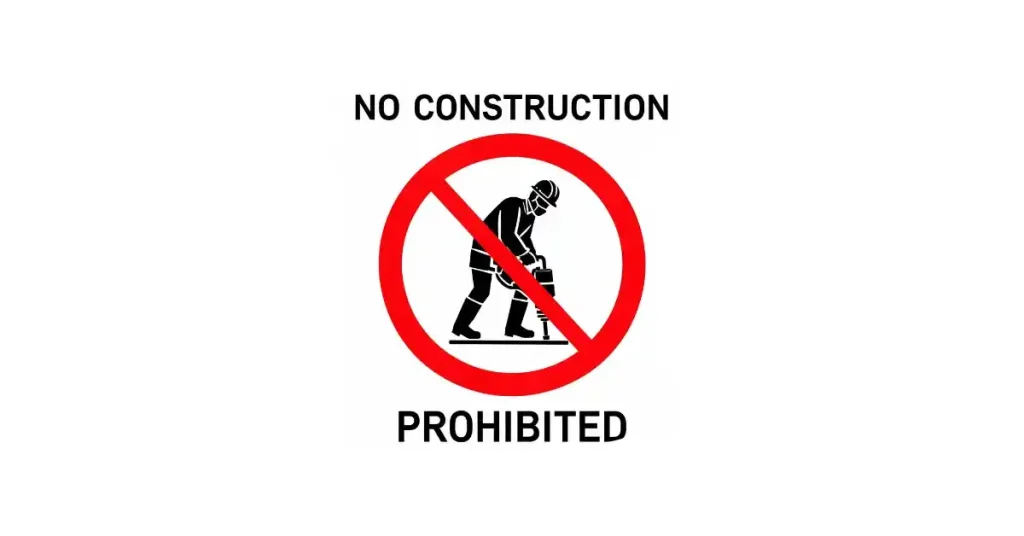
Professional construction prohibition signs are designed to meet or exceed all regulatory requirements. They incorporate the correct color schemes, typically red circles with diagonal lines, and feature standardized pictograms that communicate specific prohibitions. This standardization ensures that anyone entering your site, from experienced contractors to first time visitors, immediately understands the restrictions in place.
Documentation is another crucial aspect of compliance. When you invest in professional signage, you receive verification that your markers meet current standards. This documentation becomes invaluable during safety inspections and can serve as evidence of due diligence should any incidents occur. Keeping records of signage installation, placement, and maintenance schedules demonstrates your proactive approach to site safety.
Common Regulatory Standards
Professional signage manufacturers stay current with evolving safety standards and regulations. They understand the specific requirements for different types of construction activities, from general building projects to specialized industrial installations. This expertise ensures your site remains compliant as regulations change and new safety protocols emerge.
Types of Essential Prohibition Markers for Construction
Different areas within a construction site require specific types of prohibition signage. Entrance points need clear “No Unauthorized Entry” markers, while equipment zones require “No Pedestrian Access” warnings. Excavation areas demand “Do Not Enter” signs, and overhead work zones need “Hard Hat Area” indicators combined with prohibition markers for non essential personnel.
Temporary restricted zones, such as areas with fresh concrete or active welding, need portable prohibition markers that can be moved as work progresses. Permanent installations around electrical panels, machinery storage, and chemical storage areas require durable, weather resistant signs that maintain visibility for years. Professional suppliers offer complete solutions covering all these needs with consistent design elements that create a cohesive safety system.
The variety of available markers includes surface mounted signs, stake mounted temporary markers, magnetic options for metal surfaces, and hanging signs for overhead visibility. Each type serves specific purposes and environments, ensuring that every hazard receives appropriate warning coverage regardless of its location or duration.
Investing in Quality Materials and Design
The difference between professional and amateur construction prohibition signs becomes apparent within weeks of installation. Quality materials resist fading from ultraviolet exposure, maintain structural integrity through temperature extremes, and remain legible despite rain, snow, or dust accumulation. These characteristics ensure your safety investment continues protecting your site year after year.
Professional manufacturers use materials specifically chosen for construction environments. Aluminum substrates resist corrosion and impact damage, while specialized coatings protect printed surfaces from abrasion and chemical exposure. Reflective elements ensure visibility during low light conditions, a critical feature for sites with extended operating hours or emergency situations.
Design quality matters equally to material durability. Professional construction prohibition signs feature bold, clear graphics sized appropriately for viewing distances. Text remains minimal, focusing on universally understood symbols that communicate quickly. Color contrasts maximize visibility, and mounting systems ensure signs remain securely positioned despite wind, vibration, and accidental contact.
Ajwaa Signage specializes in creating comprehensive safety signage solutions that combine regulatory compliance with practical durability. Their products undergo rigorous testing to ensure they perform reliably in real world construction environments.
Implementation and Strategic Placement
Having quality signage means nothing without proper placement strategy. Professional safety consultants recommend conducting thorough site assessments to identify all areas requiring prohibition markers. This assessment considers traffic patterns, hazard locations, sightlines, and potential changes as construction progresses.
Strategic placement ensures signs are visible before people enter restricted zones, giving them adequate time to recognize and respond to warnings. Multiple signs may be necessary for large restricted areas, ensuring visibility from all approach angles. Height positioning matters too, with signs placed at eye level whenever possible to maximize immediate recognition.
Regular evaluation of signage effectiveness should occur as construction phases change. New hazards emerge, old ones resolve, and traffic patterns shift as work progresses. Maintaining current, relevant prohibition signage requires ongoing attention and willingness to adjust placement and quantity as conditions evolve.
Frequently Asked Questions
What makes construction prohibition signs different from regular warning signs?
Prohibition signage specifically forbids certain actions or restricts access to designated areas, using standardized red and white color schemes with diagonal prohibition symbols. They communicate what people must not do, while general warning signs alert to hazards without necessarily restricting access.
How often should construction site prohibition signage be replaced?
Professional grade markers typically last several years under normal conditions, but replacement depends on environmental exposure and physical condition. Conduct monthly inspections and replace any signs showing fading, damage, or reduced visibility to maintain effective communication.
Are there specific height requirements for mounting prohibition signs?
Most regulations recommend mounting prohibition signage between 4 and 6 feet from ground level for optimal visibility. However, specific situations may require different heights based on viewing angles, obstructions, and the nature of the hazard being marked.
Can construction prohibition signs be customized for specific site needs?
Professional manufacturers offer customization options including site specific text, multiple languages, and company branding while maintaining regulatory compliance. Custom solutions address unique hazards or restrictions specific to your project requirements.
What penalties exist for inadequate construction site signage?
Penalties vary by jurisdiction but can include substantial fines, work stoppages, increased liability for accidents, and potential criminal charges in cases of gross negligence. Proper prohibition signage significantly reduces these risks while protecting workers and visitors.
Conclusion
The investment in professional construction prohibition signs represents a fundamental commitment to site safety that pays dividends through accident prevention, regulatory compliance, and liability reduction. These critical safety tools communicate essential restrictions clearly and continuously, protecting everyone who enters your construction site. Quality signage withstands harsh environmental conditions while maintaining the visibility and clarity necessary for effective hazard communication. By choosing professional solutions from experienced providers, you ensure your safety systems meet current standards and perform reliably throughout your project duration. Take action today to evaluate your current signage needs and upgrade to professional grade prohibition markers that truly protect your most valuable asset: your people.