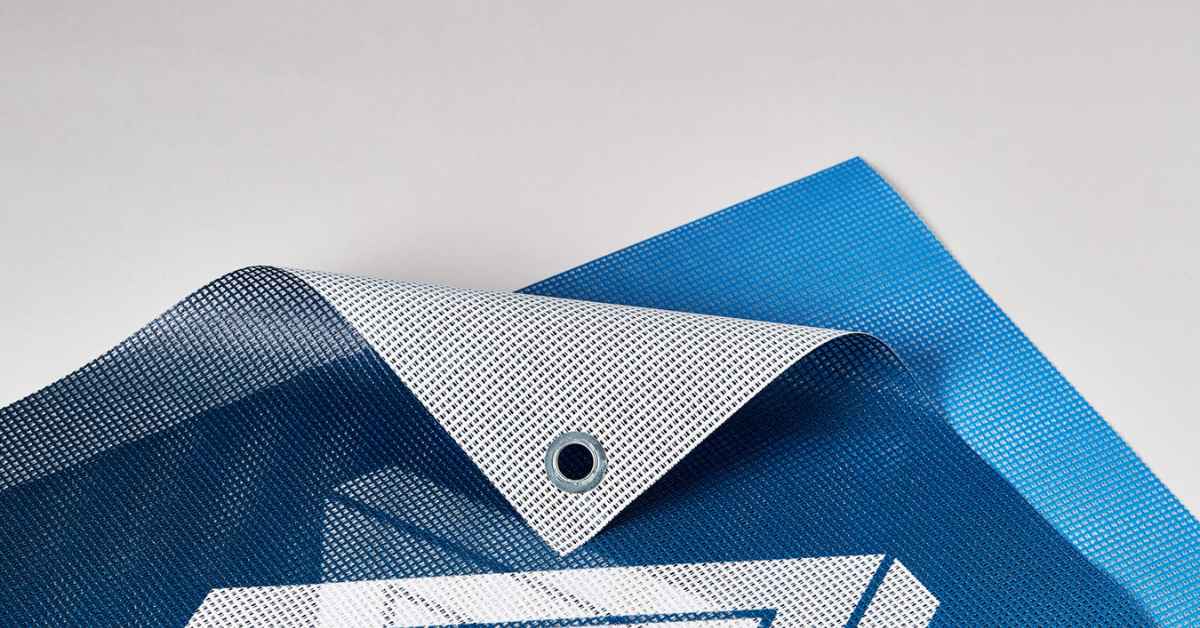
Anyone who has witnessed a torn banner flapping violently in the wind understands the frustration of outdoor advertising gone wrong. Traditional solid vinyl displays often become casualties of weather conditions, torn from their mountings or damaged beyond usability after just one storm. Mesh banners for advertising offer a smarter solution specifically engineered to withstand challenging outdoor environments where wind poses a constant threat to display integrity.
The secret lies in their unique perforated construction that fundamentally changes how wind interacts with the banner surface. Rather than creating a solid wall that catches every gust, mesh material allows air to pass through thousands of tiny holes, dramatically reducing wind resistance while maintaining visual impact. This simple yet ingenious design principle has revolutionized outdoor advertising in locations where weather conditions previously made banner displays impractical or impossibly expensive to maintain.
Understanding Wind Load and Banner Physics
Wind doesn’t just blow past objects; it creates pressure that exerts tremendous force on anything standing in its path. Solid banners act like sails, catching wind and converting its energy into stress on mounting points, fabric, and support structures. The larger the banner, the greater the surface area collecting wind force, multiplying the strain exponentially during storms or high wind events.
Mesh banners solve this problem through their open weave construction. Typically featuring 30% to 40% open area, these perforated materials allow significant airflow to pass directly through rather than building pressure against the surface. This airflow reduction can decrease wind load by up to 50% compared to solid vinyl alternatives, making the difference between a banner that survives and one that fails catastrophically.
The physics becomes particularly important for large format installations. A 10 foot by 20 foot solid banner in 30 mph winds experiences hundreds of pounds of force trying to tear it down. The same size mesh banner under identical conditions experiences roughly half that stress, dramatically extending lifespan and reducing the likelihood of mounting failure or fabric tearing.
Calculating Real World Wind Resistance
Engineers measure wind resistance in pounds per square foot. Mesh construction significantly reduces these forces while maintaining advertising effectiveness. The perforations create what scientists call “pressure equalization,” where wind passes through rather than building up against one surface. This principle protects your investment while keeping your message visible and intact through challenging weather patterns.
Material Construction and Durability Advantages
Quality mesh banners utilize reinforced scrim between vinyl layers, creating exceptional tear resistance even in high stress applications. The scrim acts as internal reinforcement that distributes stress across the entire banner surface rather than concentrating it at weak points. When combined with the reduced wind load from perforation, this construction creates displays capable of withstanding years of outdoor exposure.
The vinyl coating protects against UV degradation, moisture damage, and environmental contaminants that attack unprotected materials. Modern formulations resist fading even under intense sunlight, maintaining color vibrancy and message clarity throughout extended campaigns. The perforations don’t compromise this protection; instead, they enhance overall durability by preventing the catastrophic failures that end solid banner lifespans prematurely.
Temperature fluctuations pose another challenge for outdoor displays. Materials expand in heat and contract in cold, creating stress cycles that weaken structures over time. Mesh construction accommodates these changes more gracefully than solid alternatives. The perforations provide flexibility that allows slight material movement without creating the tension that leads to tearing or delamination.
Installation Flexibility and Mounting Options
The reduced wind resistance of mesh banners opens installation possibilities unavailable to solid alternatives. Locations with consistent wind exposure, like coastal areas, rooftops, or highway overpasses, become viable advertising spaces when using perforated materials. These premium positions often offer superior visibility and traffic counts that justify their challenging environmental conditions.
Mounting requirements become less demanding when wind loads decrease. Lighter duty hardware suffices for many applications, reducing installation costs and expanding the range of suitable mounting surfaces. Fences, scaffolding, and temporary structures that couldn’t safely support solid banners often work perfectly for mesh alternatives. This flexibility enables advertising in locations previously considered too risky or expensive.
Tensioning becomes less critical with mesh construction. Solid banners require careful tensioning to prevent flapping that accelerates wear and creates noise complaints. The airflow through perforated materials naturally dampens movement, keeping displays stable and quiet even in breezy conditions. This self stabilizing characteristic reduces installation time and eliminates ongoing adjustments.
Choosing Appropriate Mounting Hardware
While mesh reduces stress, proper mounting remains essential for maximum lifespan. Grommets should be reinforced and spaced appropriately for banner size. Ropes, bungees, or zip ties should allow slight movement rather than creating rigid mounting that transfers all stress directly to connection points. Professional installation considers both material properties and local wind patterns for optimal results.
Visual Quality and Advertising Effectiveness
A common misconception suggests that perforations compromise visual impact. In reality, mesh banners maintain excellent readability and color reproduction when viewed from normal distances. The tiny holes that provide wind resistance become virtually invisible beyond a few feet, allowing graphics to appear solid and vibrant to viewers at street level or from passing vehicles.
Print quality on mesh materials has advanced significantly with modern digital printing technology. High resolution graphics, photographs, and complex designs reproduce beautifully on perforated surfaces. The key involves working with experienced providers who understand proper file preparation and printing techniques specific to mesh substrates. Colors may require slight adjustment compared to solid vinyl, but results achieve professional standards that meet demanding brand requirements.
Nighttime visibility benefits from strategic lighting when budgets allow. The perforations don’t significantly impact illumination effectiveness, and backlit mesh banners create stunning displays that combine weather resistance with 24 hour advertising presence. This versatility makes perforated materials suitable for virtually any outdoor advertising application regardless of viewing conditions or time of day.
Cost Efficiency Over Time
Initial costs for mesh banners typically run slightly higher than solid vinyl alternatives. However, longevity and reduced maintenance requirements quickly offset the premium. A mesh banner lasting three to five years in challenging conditions delivers far better value than solid alternatives requiring replacement annually or suffering catastrophic failures during storms.
Mounting structure preservation represents another financial benefit. The reduced stress on support poles, fences, or building attachments prevents damage that requires costly remediation. Solid banners can bend poles, tear fence fabric, or damage building facades when they fail violently during wind events. Mesh construction protects these structures along with the banner itself.
Labor savings accumulate over campaign lifespans. Fewer replacements mean fewer installation service calls, reduced downtime, and consistent message delivery without interruption. The reliability of wind resistant mesh materials allows businesses to focus on marketing strategy rather than ongoing display maintenance and emergency replacements after weather events.
Ajwaa Signage specializes in producing premium mesh banners engineered for superior performance in demanding outdoor environments. Their expertise in material selection, printing techniques, and installation best practices ensures maximum durability and visual impact for every project.
Frequently Asked Questions
How much wind can mesh banners withstand compared to solid vinyl?
Perforated mesh materials typically reduce wind load by 40% to 50% compared to solid vinyl. This means they can safely withstand significantly higher wind speeds before experiencing stress that causes damage or mounting failure, making them ideal for exposed locations with challenging weather patterns.
Do the holes in mesh banners affect image quality and readability?
When viewed from normal distances, the perforations become virtually invisible and don’t impact visual quality. Modern printing technology produces vibrant, detailed graphics on mesh substrates that maintain excellent readability and professional appearance from street level or typical viewing distances.
Are mesh banners suitable for all outdoor advertising applications?
Mesh construction works excellently for most outdoor uses, particularly in windy locations, large format installations, and long term campaigns. They’re especially valuable for fence mounting, building wraps, construction sites, and any location where wind exposure threatens traditional solid banners.
How long do quality mesh banners typically last outdoors?
With proper installation and reasonable care, professional grade perforated banners often maintain excellent condition for three to five years in outdoor environments. Lifespan depends on specific weather exposure, UV intensity, and installation quality, but mesh typically outlasts solid alternatives in challenging conditions.
Can mesh banners be used in rainy or wet conditions?
Absolutely. The vinyl coating on quality mesh materials provides excellent water resistance, and the perforations actually help drainage, preventing water accumulation that can stress solid materials. They perform reliably through rain, snow, and humid conditions without compromising appearance or structural integrity.
Conclusion
The superior performance of mesh banners in windy outdoor conditions stems from smart engineering that works with natural forces rather than fighting against them. By allowing airflow to pass through perforated surfaces, these innovative materials reduce stress, extend lifespan, and maintain advertising effectiveness in environments where solid alternatives fail repeatedly. The combination of wind resistance, durability, visual quality, and cost efficiency makes perforated construction the intelligent choice for virtually any outdoor advertising application exposed to weather challenges. Whether you’re planning a short term promotional campaign or a multi year branding presence, investing in quality mesh construction protects your message and your budget while ensuring consistent visibility regardless of weather conditions. Ready to experience the difference that engineered wind resistance makes? Explore mesh banner solutions today and discover how the right materials transform outdoor advertising from a constant maintenance headache into a reliable, effective marketing asset that performs flawlessly through every season.