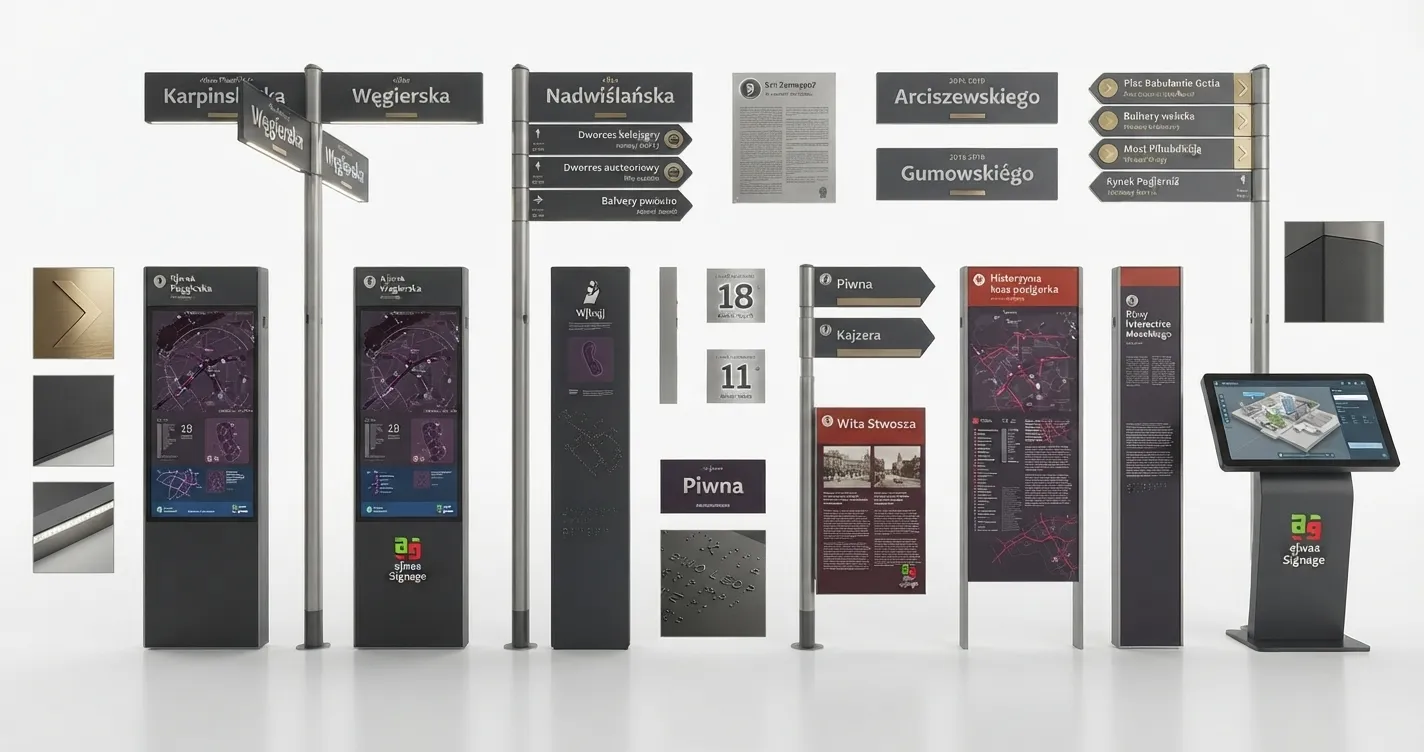
Modern buildings need more than attractive architecture to create a comfortable visitor experience. People also need clear directions to find entrances, offices, elevators, meeting rooms, and emergency exits without confusion. This is where wayfinding signage plays an important role. From shopping malls and corporate offices to hospitals and educational facilities, well planned navigation signs help visitors move through spaces with confidence. Businesses looking for professional signage and wayfinding Dubai solutions can use a combination of visual design, readable typography, and strategic sign placement to improve building navigation. The right signage system not only supports convenience but also contributes to a building’s professional appearance and accessibility.
Understanding Wayfinding Signage in Modern Buildings
Wayfinding signage is a visual communication system that helps people understand where they are, where they need to go, and how to reach their destination. It combines directional information, symbols, maps, colors, and carefully positioned signs to create a clear navigation experience.
What Is Wayfinding Signage?
What is wayfinding signage? It refers to signs and visual cues designed to guide people through indoor and outdoor environments. Unlike decorative signs that mainly promote a brand, navigation signage focuses on practical information and visitor movement.
For example, a person entering a large office building may need directions to the reception desk, elevators, or a specific department. Clearly placed signs reduce uncertainty and make the journey more comfortable. Effective wayfinding systems consider the building layout, visitor needs, and viewing distance. They also use consistent design elements so people can recognize directions quickly, even when they are visiting for the first time.
Directional and Identification Signs
Directional and identification signs are among the most common solutions used in commercial and public buildings. They provide essential information at key points throughout a property, helping visitors understand their surroundings and choose the correct route.
Directional Signs
Directional signs use arrows, text, and symbols to guide people toward specific destinations. They are often positioned at corridors, intersections, entrances, and elevator areas. In a large office, for instance, a directional panel may point visitors toward meeting rooms, restrooms, or reception.
Room and Floor Identification
Room identification signs display the name or number of a particular space. Floor signs identify different levels, while entrance signs help visitors recognize important access points. Together, these solutions make wayfinding signage more organized and useful.
Clear lettering, suitable contrast, and consistent placement improve readability. When signs provide information at the right moment, visitors can navigate with fewer interruptions and enjoy a smoother experience inside the building.
Interior Wayfinding Signage for Better Navigation
Interior wayfinding signage helps people move confidently through indoor spaces. It is particularly useful in buildings with multiple departments, long corridors, complex floor plans, or several visitor access points.
Common Interior Sign Types
A well planned interior navigation system may include:
- Corridor direction signs that guide visitors toward key destinations.
- Elevator and stairway signs that identify vertical movement routes.
- Reception and department signs that help people locate services.
- Floor directories that display offices, facilities, and room locations.
- Restroom and accessibility signs that communicate essential facilities.
Design and Placement Considerations
The effectiveness of wayfinding signage interior solutions depends on how information is presented and where signs are installed. Text should be easy to read, while arrows and internationally recognized symbols can support quick understanding. Signs should be positioned at natural decision points, such as corridor intersections or elevator exits.
Imagine entering a hospital where every hallway looks similar. A well designed directory near the entrance and clear directional panels along the corridors can make the experience less stressful. Thoughtful navigation design supports both visitors and staff.
Digital and Interactive Navigation Systems
Technology has introduced new options for buildings that require flexible and detailed visitor guidance. Digital signage and interactive directories can complement traditional signs, particularly in large commercial properties.
Digital Wayfinding Displays
Digital navigation screens can show building maps, floor information, room locations, and changing announcements. In shopping centers, visitors may use interactive displays to locate stores, restaurants, or facilities. Corporate buildings can use digital directories to identify departments and meeting areas.
Interactive Maps and Smart Navigation
Interactive kiosks allow users to search for destinations and view suggested routes. Some systems can be updated centrally when offices move or facilities change. This flexibility can be helpful in large buildings with frequently changing information.
However, digital wayfinding signage should not replace every physical sign. Screens require power and maintenance, while visitors may benefit from permanent directional markers. A combination of digital tools and traditional signage can create a more dependable navigation experience.
Safety, Accessibility, and Building Navigation
Effective building navigation should support a wide range of visitors, including people with disabilities and those unfamiliar with the property. Safety information and accessibility features are important parts of a complete sign system.
Safety and Emergency Information
Emergency exit signs, stairway markers, and fire safety directions help communicate essential routes. Their placement, visibility, and design should follow applicable building regulations and safety requirements. Emergency signs serve a specific purpose and should remain distinct from general promotional messaging.
Accessible Signage Solutions
Accessible signs may include tactile lettering, Braille, clear contrast, and recognizable symbols where appropriate. The exact requirements depend on the building type, location, and applicable accessibility standards.
Well designed wayfinding signage can support visitors with different needs by presenting information in multiple understandable formats. Combining readable text with visual symbols creates a more inclusive environment. Building managers should consider accessibility during the planning stage rather than treating it as an afterthought.
Choosing the Right Wayfinding System
Selecting suitable navigation signs requires an understanding of the building’s purpose, layout, audience, and branding requirements. A hospital may need department directories and clear safety routes, while a corporate office may prioritize reception signs, meeting room identification, and floor navigation.
Key Factors to Consider
Before developing a signage system, consider the following points:
- Building layout: Identify entrances, corridors, elevators, and important destinations.
- Visitor requirements: Understand where first time visitors are likely to need guidance.
- Readability: Select appropriate text sizes, contrast, and visual symbols.
- Brand consistency: Use colors and design elements that complement the building’s identity.
- Material selection: Choose durable materials suitable for the installation environment.
- Future changes: Plan for updates when departments or room arrangements change.
Professional planning helps create a cohesive signage experience instead of a collection of unrelated signs. A consistent system can improve navigation while supporting the visual character of the property.
Frequently Asked Questions
- What is wayfinding signage used for?
Wayfinding signage helps visitors navigate buildings by providing directions, identifying rooms, displaying floor information, and highlighting important facilities.
- What are the main types of wayfinding signs?
Common types include directional signs, room identification signs, floor directories, entrance signs, digital navigation displays, and safety signs.
- Why is interior wayfinding signage important?
Interior navigation signs help visitors locate destinations inside offices, hospitals, malls, and other buildings. Clear information can reduce confusion and improve the visitor experience.
- Can digital navigation signs be used in commercial buildings?
Yes. Digital directories and interactive displays can provide flexible information about departments, stores, facilities, and routes. They can be combined with physical signs.
- How can businesses plan effective building navigation signs?
Businesses should assess their building layout, visitor requirements, accessibility needs, sign placement, readability, and material suitability before developing a complete signage system.
Conclusion: Create a Clearer Visitor Experience
Well planned wayfinding signage helps modern buildings become easier to navigate, more welcoming, and more organized. From directional panels and room identification signs to digital directories and accessible navigation solutions, every sign should serve a clear purpose. The right combination of design, placement, materials, and information can support visitors while complementing the building’s professional appearance.
Ajwaa Signage Experts can help businesses explore practical signage solutions that align with their building layout and branding requirements. Whether you are developing an office, commercial property, or public facility, investing in a thoughtfully planned navigation system is a valuable step toward improving the visitor experience. Contact Ajwaa Signage Experts today to discuss your signage requirements and create a more organized building environment.