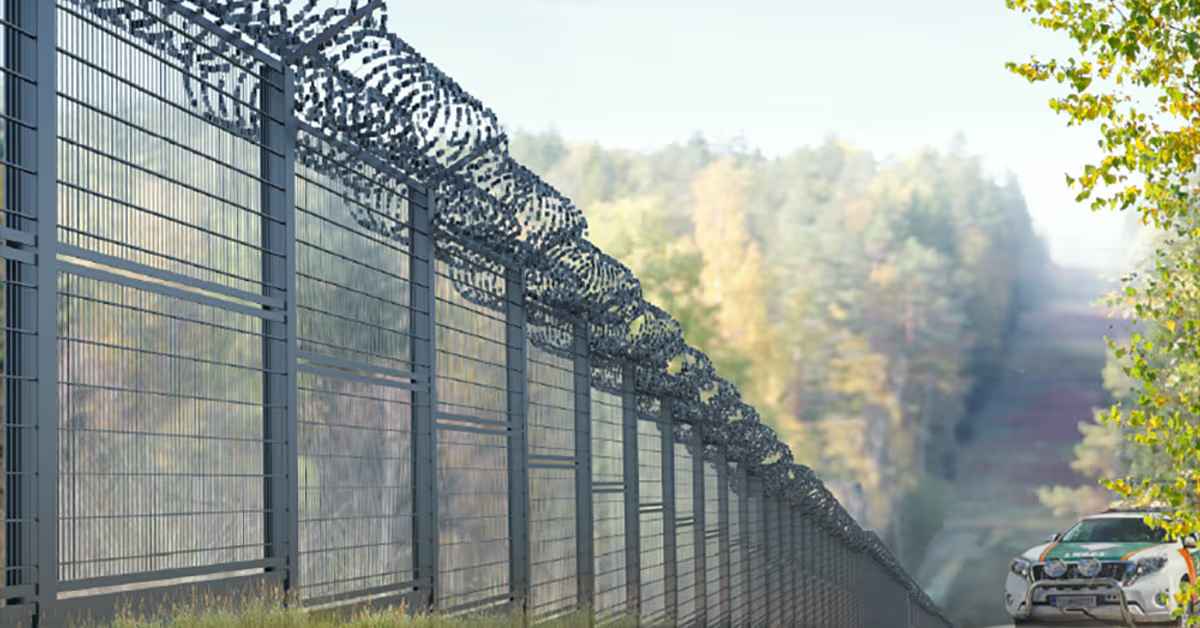
Choosing the right boundary wall fencing is an important decision for property owners who want better security, privacy, and an attractive exterior. Whether you own a family home, commercial building, warehouse, or industrial facility, the right fencing solution can help define your property and control access. The best option depends on your location, budget, building layout, and level of protection required. Some properties benefit from a solid wall with decorative fencing, while others need durable metal barriers or additional perimeter security. Exploring Boundary Wall Security Fencing options can help you identify a practical design that complements your property while meeting your security needs.
1. Identify Your Property’s Main Requirements
Before choosing materials or designs, consider what you expect your fence to achieve. A residential property may require privacy and a welcoming appearance, whereas a warehouse may need stronger access control and a more secure perimeter.
Residential and Commercial Needs
Homeowners often prefer fencing that complements the exterior of their property. Decorative metal panels, concrete walls, and modern horizontal designs can create an attractive boundary while helping keep children and pets within the designated area.
Commercial properties have different priorities. Offices, retail buildings, factories, and storage facilities may require fencing that discourages unauthorized entry and clearly separates public areas from restricted spaces.
Assess the Level of Protection Required
Think about the risks around your location. A property near a busy road may need a sturdy boundary to separate pedestrians from operational areas. An industrial site might require additional security measures because equipment, tools, and materials are stored outside.
Consider these factors before making a decision:
• The purpose and location of the property
• The amount of privacy required
• The level of security needed
• The available installation space
• Local building requirements and budget
Understanding these priorities makes it easier to choose a fencing system that serves a genuine purpose instead of paying for features your property does not need.
2. Compare Different Fencing Materials
Material selection affects durability, appearance, maintenance requirements, and overall cost. The right choice should suit the local environment and the daily demands of your property.
Concrete, Metal, and Masonry Options
Concrete boundary walls are popular for properties that need privacy and a solid physical barrier. They provide a substantial structure and can be finished with different textures, colours, or decorative surfaces.
Metal fencing offers a more open appearance while creating a defined perimeter. Steel panels and metal railings can complement modern buildings, and suitable protective finishes help reduce corrosion in exposed environments.
Brick and masonry walls are another option for homeowners and commercial property managers. They can blend with traditional architecture and provide a substantial boundary when designed and constructed correctly.
Consider Environmental Conditions
In the UAE, heat, dust, sunlight, and humidity can influence the performance of exterior materials. Coastal locations may also expose metal components to salty air, increasing the importance of suitable coatings and material selection.
Ask your contractor about material specifications, structural support, finish quality, and expected maintenance. A lower initial price does not always mean better value over time.
Compare quotations carefully and check whether they include posts, foundations, fasteners, protective finishes, installation, and any required access arrangements. A clear breakdown helps you understand what you are paying for and makes it easier to compare different proposals fairly.
3. Choose a Design That Matches Your Property
A fence should protect your property without making its exterior look unfinished or disconnected from the building. A suitable design can improve the overall appearance while providing the required level of separation.
Explore Modern Boundary Wall Fencing Design Ideas
A well planned boundary wall fencing design should consider the building’s architecture, surrounding landscape, entrance, and available space. Modern homes may suit clean lines, neutral colours, and simple metal panels. Traditional properties may look better with textured masonry, decorative railings, or patterned metalwork.
For commercial premises, consistent colours and coordinated entrance gates can create a professional appearance. Industrial properties usually benefit from straightforward designs that prioritize durability, visibility, and practical access.
Decide Between Solid and Open Fencing
A solid wall provides greater visual privacy and helps separate the property from nearby roads or neighbouring buildings. However, it can make a small area feel enclosed if its height and proportions are not planned carefully.
Open metal panels allow more airflow and visibility. This can be useful for facilities where security staff need to monitor the perimeter. Some property owners choose a boundary wall with fence panels above it, combining privacy at ground level with additional perimeter definition.
Before finalizing a design, consider the height, gate placement, sightlines, drainage, and surrounding structures. Check local rules governing boundary heights and any restrictions affecting the proposed installation.
4. Understand Boundary Wall Wire Fencing and Security Features
Different properties require different levels of protection. A simple residential boundary may be sufficient for one location, while a warehouse or industrial facility could require stronger perimeter controls.
When Is Boundary Wall Wire Fencing Suitable?
Boundary wall wire fencing can be useful for warehouses, construction sites, factories, storage yards, and other commercial locations. Depending on the design, it can provide a visible barrier without completely blocking airflow or visibility.
Welded mesh panels and chain link fencing are common choices where property owners need a practical perimeter around a large area. The appropriate option depends on the required strength, opening size, installation conditions, and level of access control.
For greater protection, some facilities consider additional security features above an existing wall. These may include approved security wire systems, monitored access points, lighting, and surveillance equipment.
Consider Razor Wire and Other Security Measures
Razor wire fencing may be appropriate for selected industrial or restricted properties where enhanced perimeter security is necessary. Its use should be evaluated carefully because placement, accessibility, and potential injury risks matter.
If your property needs additional protection, review Razor Wire Fencing Ajman options here
Select a solution that matches the actual security requirements rather than automatically choosing the most restrictive option. Obtain professional advice about safe installation and confirm the applicable local regulations and permissions before adding security wire to a boundary wall.
5. Plan Your Budget and Installation
A realistic budget helps you balance appearance, durability, and security. The total cost depends on several factors, so it is worth assessing the entire project rather than focusing only on the price per metre.
What Affects the Overall Cost?
The main cost factors usually include the total boundary length, selected materials, wall height, foundation requirements, ground conditions, gate dimensions, and installation complexity.
Decorative finishes, custom metalwork, additional security features, and difficult site access may also increase the project price. Existing structures can influence the work required, so an inspection may be necessary before a reliable quotation is provided.
Prepare Before Installation Begins
Measure the perimeter and identify the locations of gates, entrances, corners, and changes in ground level. Share these details with your contractor so the proposed design reflects the actual site conditions.
Before accepting a quotation, confirm:
• The materials and specifications included
• The proposed height and overall dimensions
• The foundation and support requirements
• The installation schedule and site preparation
• The finishing work and maintenance recommendations
• Any permits or approvals that may be required
Professional installation matters because even good materials can perform poorly if posts, foundations, connections, or drainage are unsuitable. Ask for a written scope of work and make sure the finished installation follows the agreed specifications.
6. Evaluate Durability and Long Term Maintenance
A suitable fencing system should continue to perform under everyday conditions without requiring excessive attention. Planning for maintenance from the beginning can help property owners preserve both appearance and functionality.
Inspect Materials and Protective Finishes
Metal fences should have finishes appropriate for their environment. Galvanized steel and suitable powder coatings can help protect metal components from corrosion when correctly specified and maintained.
Concrete and masonry boundaries also need attention. Look for signs of water accumulation, surface deterioration, loose sections, or movement around the foundation. Proper drainage and suitable construction methods can help reduce avoidable problems.
Establish a Simple Maintenance Routine
Inspect the boundary periodically, especially after severe weather or nearby construction activity. Remove accumulated dust and debris, keep drainage routes clear, and check gates, hinges, fasteners, and locking mechanisms.
For larger commercial sites, a scheduled inspection routine makes it easier to identify developing issues before they affect normal operations. Follow the manufacturer’s recommendations for cleaning and maintaining each material.
The best fencing solution is not necessarily the one that requires no maintenance. It is the one whose upkeep is manageable, whose materials suit the environment, and whose expected service life provides good value for the investment.
Frequently Asked Questions
1. What is the best material for boundary wall fencing?
The best material depends on your property and priorities. Concrete offers privacy, metal provides an open appearance, and masonry complements many architectural styles. Consider durability, local weather, security needs, maintenance, and installation costs before selecting a suitable option.
2. How do I choose a suitable boundary wall fencing design?
Start by assessing your building’s architecture, privacy requirements, available space, and preferred appearance. Compare solid walls, decorative railings, and combined wall and panel systems. Check local height restrictions and ensure the design provides practical access and adequate visibility.
3. Is boundary wall wire fencing suitable for commercial properties?
Yes, boundary wall wire fencing can suit warehouses, factories, construction sites, and storage facilities. Its suitability depends on the required strength, mesh specifications, access control, and site conditions. Additional security measures may be appropriate for properties with higher protection requirements.
4. Can I install razor wire above a boundary wall?
Razor wire may be suitable for certain industrial or restricted properties, but its installation requires careful safety planning. Check local regulations, permissions, placement requirements, and potential injury risks before choosing this security feature.
5. How much does boundary wall fencing cost in the UAE?
Costs vary according to the total perimeter, material, height, foundation requirements, gate design, finishes, and installation conditions. Request an itemized quotation based on your property measurements to compare specifications and understand the complete project cost.
Conclusion
Choosing the right boundary wall fencing means balancing security, privacy, design, durability, and budget. Start by identifying your property’s requirements, compare suitable materials, and select a style that complements the building. Consider local environmental conditions, professional installation, and long term maintenance before making your final decision. A thoughtfully planned boundary can improve the appearance of your property while creating a clearer and more secure perimeter.
For professional guidance on fencing and property branding solutions, Get a Free Quote from Ajwaa Signage and discuss the requirements of your project. A suitable design, quality materials, and careful installation can help you achieve a boundary solution that meets your property’s practical needs and visual expectations.