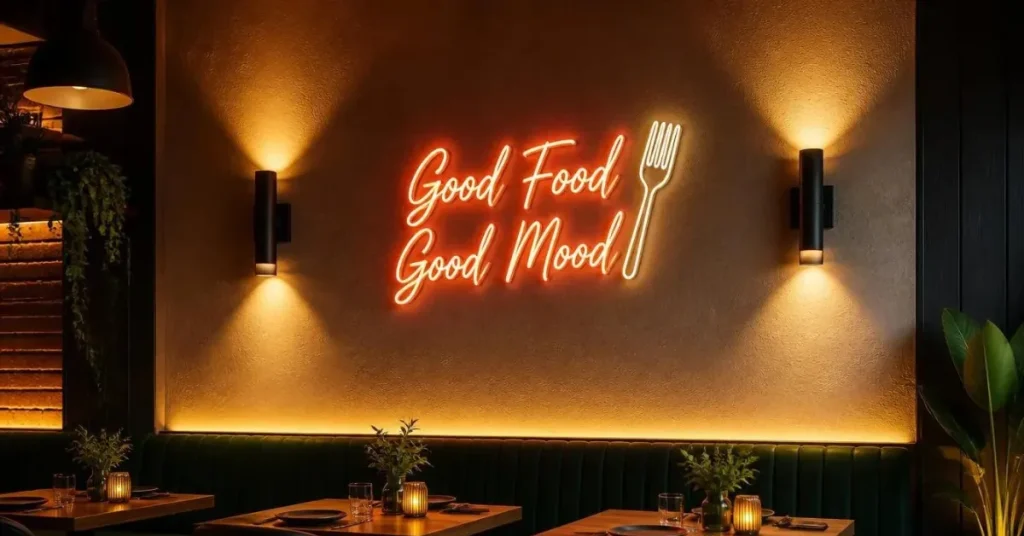
A restaurant’s appearance can influence a customer’s decision before they even taste the food. Attractive displays, readable menus, and creative lighting help create a welcoming atmosphere and make a business easier to recognize. Well planned Restaurant Signage communicates the restaurant’s personality while helping visitors understand its offerings. From elegant menu displays to eye catching neon features, the right choices can transform an ordinary space into a memorable destination. Businesses looking for inspiration can also explore Restaurant LED Signage Sharjah to discover illuminated branding options that combine visibility, style, and practicality.
1. Creative Menu Boards That Make Ordering Easier
Menu boards are among the most important visual elements inside a restaurant. Customers should be able to understand available dishes, prices, and special offers without struggling to read small text. A well organized display makes ordering more comfortable and gives visitors a better first impression.
Traditional and Modern Menu Displays
Traditional printed menu boards work well in restaurants that prefer a simple and classic appearance. Wooden frames, acrylic panels, and professionally printed graphics can complement different interior styles. Modern establishments may prefer digital screens that allow staff to update prices, introduce seasonal dishes, and highlight popular meals.
Choosing the Right Layout
Good restaurant menu design focuses on readability. Use clear fonts, balanced spacing, and attractive food photography where appropriate. Avoid filling every available space with information. Highlighting bestsellers and special combinations can guide customers towards popular choices without making the display confusing.
2. Neon Signs That Create a Memorable Atmosphere
Neon signs have become a popular choice for restaurants, cafes, dessert shops, and casual dining spaces. Their vibrant appearance adds personality and creates attractive backgrounds for photographs. A carefully positioned neon feature can become a recognizable part of the restaurant’s identity.
Custom Neon Messages and Logos
Restaurants can display their names, memorable phrases, creative artwork, or signature messages through illuminated lettering. For example, a coffee shop might use a glowing coffee cup design, while a burger restaurant could feature a colorful food related message.
Where Should Neon Signs Be Installed?
Placement makes a considerable difference. Popular locations include entrance walls, reception areas, feature walls, and spaces behind seating arrangements. Restaurant Signage featuring neon elements should complement the interior rather than overwhelm it. Selecting suitable colors and brightness levels helps maintain a comfortable environment while making the display visually interesting.
3. Restaurant Digital Signage for Flexible Promotions
Digital displays offer restaurants an effective way to communicate changing information. Instead of printing new promotional materials whenever a menu changes, businesses can update content through digital screens.
Benefits of Digital Menu Screens
Restaurant digital signage is particularly useful for quick service restaurants, food courts, cafes, and busy dining establishments. Screens can display menus, promotional offers, meal combinations, product images, and announcements.
Some useful applications include:
- Displaying breakfast, lunch, and dinner menus.
- Promoting seasonal dishes and limited offers.
- Highlighting special discounts and meal combinations.
- Sharing customer information and restaurant announcements.
- Showing attractive images of signature dishes.
Creating Consistent Visual Communication
Digital screens should use readable text, suitable image sizes, and consistent branding. Too many animations or rapidly changing messages can distract customers. A balanced layout makes important information easier to understand and creates a professional appearance.
4. Outdoor Signboards and Illuminated Entrance Displays
The exterior of a restaurant is often the first point of contact with potential customers. An attractive entrance display helps people identify the business, understand its identity, and locate the premises more easily.
Choosing Materials for Exterior Signs
Different materials offer different visual effects and practical advantages. Acrylic, aluminium, stainless steel, and ACP panels are commonly used for commercial signboards. The right choice depends on the restaurant’s architectural style, installation location, budget, and desired appearance.
LED and Backlit Signboards
LED illuminated signs improve visibility during evening hours and help restaurants maintain a recognizable exterior. Backlit lettering creates a sophisticated appearance, while front illuminated letters produce a brighter and more direct visual effect.
Professional Restaurant Signage should also consider weather exposure, visibility from surrounding roads, and suitable installation methods. A clear business name and recognizable logo are usually more effective than an overcrowded design.
5. Interior Branding and Wayfinding Displays
A restaurant experience involves more than ordering food and finding a table. Visitors also need to navigate different areas comfortably. Interior displays can support both branding and practical communication.
Wall Graphics and Brand Displays
Decorative wall graphics, logo panels, acrylic lettering, and printed artwork can bring a restaurant’s personality into its interior. A family restaurant might prefer warm colors and friendly illustrations, while a fine dining establishment may choose elegant lettering and understated finishes.
Directional and Informational Signs
Wayfinding displays help customers locate essential facilities without repeatedly asking employees. Useful examples include:
- Restroom direction signs.
- Counter and ordering area displays.
- Reserved seating indicators.
- Pickup and collection instructions.
- Exit and safety information.
Combining these elements with a consistent restaurant signage design creates a more organized environment. Every display should serve a clear purpose while matching the restaurant’s overall visual identity.
6. Practical Tips for Choosing the Right Signage
Selecting suitable displays requires more thought than simply choosing attractive colors. Restaurant owners should consider their audience, location, available space, and overall branding goals before making a decision.
Important Factors to Consider
Understand your restaurant’s identity: A modern cafe and a traditional dining establishment need different visual styles.
Prioritize readability: Customers should recognize important information from a comfortable distance.
Select suitable materials: Consider durability, lighting conditions, maintenance requirements, and installation location.
Maintain brand consistency: Use similar fonts, colors, and logo treatments across indoor and outdoor displays.
Consider local requirements: Check applicable permissions, building guidelines, and signage regulations before installation.
A professional approach to Restaurant Signage helps businesses maintain a consistent appearance while making their premises more welcoming. Regular cleaning and checking electrical connections can also help illuminated displays maintain their appearance and performance.
Frequently Asked Questions
1. Why is restaurant signage important?
It improves business visibility, communicates important information, supports branding, and helps customers navigate the restaurant.
2. What materials are commonly used for restaurant signs?
Acrylic, aluminium, stainless steel, ACP panels, and LED components are popular choices depending on the design and installation requirements.
3. Are digital menu boards suitable for small restaurants?
Yes. Small restaurants can use digital screens to display menus, update prices, and promote special offers without replacing printed materials.
4. Which lighting is suitable for restaurant signs?
LED lighting is a popular option because it provides bright illumination and supports different lettering styles, colors, and display designs.
5. How can restaurants create attractive outdoor signs?
Restaurants can combine recognizable logos, readable lettering, suitable materials, and illuminated features to create attractive exterior displays.
Conclusion
An effective visual identity helps restaurants attract attention, communicate their personality, and create a positive experience for visitors. From creative menu boards and colorful neon displays to digital screens and illuminated exterior lettering, every element has a role in presenting a professional business image. The best Restaurant Signage combines attractive design with readability, functionality, and suitable materials.
Whether you are opening a new restaurant or updating an existing space, choosing the right signage can make a meaningful difference. Explore Ajwaa Signage for professional signage options that help bring your restaurant branding ideas to life. Contact the team to discuss your requirements and create displays that make your restaurant stand out.