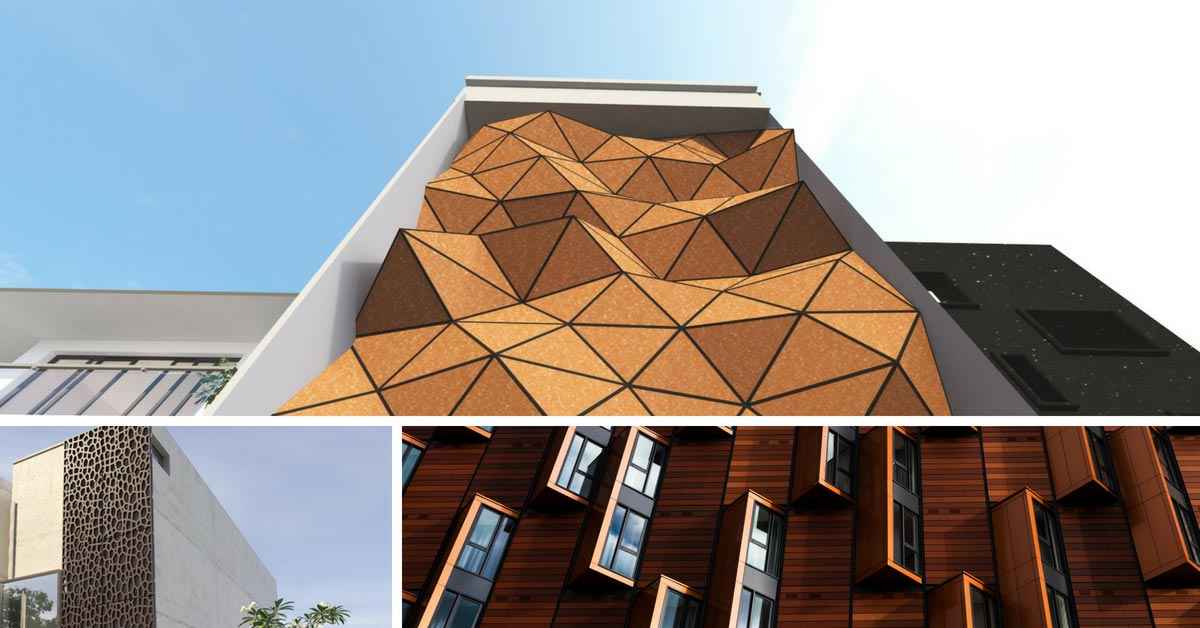
Modern buildings today look sleek, clean, and professional because of smart material choices. One material that has changed the way buildings look is ACP cladding. Architects and builders across the USA love using ACP cladding because it is lightweight, durable, and easy to work with. Aluminum composite panel cladding, exterior wall cladding systems, and building facade panels are three LSI terms that go hand in hand with this topic. ACP cladding gives buildings a polished and modern finish that lasts for many years. Whether it is a commercial building, a retail store, or an office tower, this material works beautifully on all types of structures and delivers outstanding visual results every single time for builders and property owners alike.
What Is ACP Cladding and Why Does It Matter
Understanding the Basics of ACP Cladding
So what is ACP cladding exactly and why do so many builders choose it? ACP stands for Aluminum Composite Panel. It is made of two thin layers of aluminum bonded together with a core material, usually polyethylene or a fire-resistant mineral. This sandwich structure makes the panel strong yet very lightweight. It is much easier to handle and install compared to solid metal or concrete panels. The surface of an ACP panel can be coated in many colors and finishes including matte, gloss, brushed, and wood grain textures. This gives architects a lot of creative freedom when designing the exterior of a building. It is truly a versatile and practical material for modern construction projects of all sizes.
Why Builders Prefer ACP Over Other Materials
Builders prefer ACP cladding over many other exterior materials for several strong reasons. First, it is cost-effective compared to stone, glass, or solid aluminum. Second, it is very easy to cut, shape, and install on different types of building surfaces. Third, it resists weather damage very well, making it ideal for areas that experience rain, heat, and wind regularly. It also does not rust or corrode over time, which reduces maintenance costs significantly. The smooth surface is easy to clean with just water and a mild cleaning solution. For commercial buildings that need to look sharp and professional every day, ACP cladding is one of the smartest choices a builder or architect can make.
How Ajwaa Signage Solutions Supports Your Cladding Needs
When it comes to quality ACP cladding work and professional installation, Ajwaa Signage Solutions is a name that stands out in the industry. They bring years of hands-on experience in delivering high-quality cladding solutions for commercial and retail buildings. Their team understands ACP cladding detail drawing and ACP cladding fixing details at a professional level, ensuring every project is completed with precision and care. Ajwaa Signage Solutions works with clients to choose the right panel type, color, and finish that matches their building design goals. From small retail storefronts to large commercial facades, they have the skills and tools to deliver outstanding results that last for many years without losing quality or visual appeal.
Key Benefits of Using ACP Cladding on Modern Buildings
Lightweight and Easy to Install
One of the biggest advantages of ACP cladding is how light it is compared to other building materials. Traditional stone or brick cladding adds a lot of weight to a building’s structure, which increases construction costs. ACP panels are thin and light, so they put less stress on the building frame. This also makes the installation process faster and easier for workers. Less labor time means lower overall project costs, which is always a win for property developers and business owners. The panels can be mounted using simple framing systems and mechanical fasteners. Even on tall buildings, the installation process remains manageable and safe when done by a trained and experienced cladding team.
Weather Resistance and Long Lasting Durability
ACP cladding is built to handle tough weather conditions without losing its appearance or strength. It performs well in hot climates, cold winters, heavy rain, and strong winds. The aluminum layers on the outside protect the core from moisture, UV rays, and temperature changes. This means the panels do not warp, crack, or fade easily over time. Many ACP panels come with a PVDF coating that gives extra protection against UV damage and keeps the colors looking fresh for many years. For buildings in cities or coastal areas where weather exposure is constant, ACP cladding is a reliable long-term solution that reduces the need for frequent repairs or costly replacements throughout the life of the building.
Wide Range of Design Options
ACP cladding offers one of the widest ranges of design options compared to any other exterior cladding material. You can choose from hundreds of colors, finishes, and textures to match your brand identity or architectural vision. Whether you want a clean white office building, a bold red retail store, or a wood-look residential facade, ACP panels can deliver that look with precision. You can also mix and match different panel sizes and colors to create unique patterns on building exteriors. This design flexibility makes aluminum composite panel cladding a top choice for architects who want their buildings to look distinctive and modern. The options are almost limitless when working with a skilled signage and cladding team.
ACP Cladding Work and Installation Process
Understanding ACP Cladding Detail Drawing
Before any ACP cladding work begins on a building, a detailed drawing or plan must be prepared. An ACP cladding detail drawing shows exactly how the panels will be placed, fixed, and finished on the building surface. It includes measurements, panel sizes, joint gaps, fixing points, and corner details. This drawing is critical because it helps the installation team understand the full scope of the project before they start. A well-prepared detail drawing reduces errors during installation and ensures the final result matches the design vision. It also helps in calculating the exact amount of material needed, which prevents waste and keeps the project within budget. Professional cladding companies always start with a solid and accurate detail drawing.
ACP Cladding Fixing Details Explained
ACP cladding fixing details refer to the specific methods used to attach the panels securely to a building’s wall or frame. There are several common fixing systems including riveted fixing, cassette fixing, and concealed fixing systems. Each method has its own advantages depending on the type of building and the design requirements. Riveted fixing is the most common and cost-effective method. Cassette fixing gives a cleaner look because the edges of the panels fold back and lock into a frame. Concealed fixing hides all fasteners from view, giving the building a seamless and polished appearance. Choosing the right exterior wall cladding system and fixing method is important for both the look and the long-term performance of the cladding installation.
Common Applications of ACP Cladding in Modern Construction
ACP cladding is used in a wide variety of building types across the USA and around the world. It is most commonly seen on commercial office buildings, shopping malls, hotels, hospitals, and retail stores. It is also used for interior wall panels, signage boards, false ceilings, and furniture surfaces. Many businesses use ACP panels for their storefront facades because the material gives a sharp and professional look that attracts customers. Building facade panels made from ACP are also used to renovate older buildings and give them a fresh modern appearance without tearing down the existing structure. The material works well for both new construction and renovation projects, making it one of the most versatile materials in the modern construction and design industry today.
Things to Consider Before Choosing ACP Cladding
Fire Rating and Safety Standards
Not all ACP panels are the same when it comes to fire safety. Some panels use a polyethylene core that is highly flammable, while others use a fire-resistant mineral core that meets strict building safety codes. Always check the fire rating of the ACP panels you plan to use, especially for tall buildings or public spaces where safety regulations are strict. In the USA, building codes require specific fire-rated materials for commercial and high-rise buildings. Choosing fire-resistant composite cladding panels ensures your building meets local safety standards and protects occupants in case of a fire emergency. Always ask your supplier for the fire rating certificate before purchasing any ACP panels for a construction project.
Choosing the Right Thickness and Core Type
ACP panels come in different thicknesses, typically ranging from three millimeters to six millimeters. The right thickness depends on the size of the building, the fixing method, and the level of wind load the panels need to handle. Thicker panels offer more strength and rigidity, making them suitable for large commercial buildings. Thinner panels are lighter and more cost-effective for smaller projects. The core material also matters a great deal. Fire-resistant cores are always recommended for commercial buildings. Talk to a professional cladding expert before making your final decision on panel thickness and core type. The right combination of thickness and core will ensure your cladding performs well for many years without any major issues or problems.
Frequently Asked Questions
What is ACP cladding and how is it made?
ACP cladding stands for Aluminum Composite Panel cladding. It is a modern building material made by bonding two thin sheets of aluminum on the outside of a solid core material. The core is usually made of polyethylene or a fire-resistant mineral compound depending on the safety requirements of the building. The aluminum sheets give the panel its strength and weather resistance, while the core provides rigidity and keeps the overall weight low. The surface of the panel is usually coated with a high-quality paint or PVDF finish that protects it from UV rays, moisture, and fading. This combination of materials makes ACP panels strong, lightweight, and long-lasting, which is why they are widely used in modern construction projects across the USA and around the world for both commercial and residential buildings.
How long does ACP cladding last on a building?
ACP cladding is known for its impressive durability and long lifespan. When installed correctly using proper ACP cladding fixing details and high-quality materials, these panels can last anywhere from twenty to thirty years or even longer. The lifespan depends on several factors including the quality of the panels, the type of coating used on the surface, the weather conditions in your area, and how well the panels are maintained over time. PVDF-coated panels tend to last the longest because they offer superior resistance to UV rays, rain, and temperature changes. Regular cleaning and occasional inspection of the fixing system can extend the life of your cladding significantly. Investing in quality materials and professional installation from the start always pays off in the long run.
Is ACP cladding safe for use on tall and commercial buildings?
ACP cladding can be very safe for tall and commercial buildings when the right type of panel is selected and installed correctly. The key factor is the fire rating of the core material. Standard polyethylene core panels are not recommended for tall buildings because they can contribute to the spread of fire in an emergency situation. Fire-resistant ACP panels with mineral cores are specifically designed for high-rise and commercial buildings where strict safety codes apply. These panels pass rigorous fire safety tests and are approved for use in buildings that require compliance with national and local fire regulations. Always consult with a certified cladding expert and check local building codes before selecting ACP panels for any tall or public-use building project.
What is the cost of ACP cladding work for a commercial building?
The cost of ACP cladding work depends on several factors including the size of the building, the type and thickness of the panels, the fixing system used, and the complexity of the design. On average, ACP cladding installation for a commercial building in the USA can range from fifteen to forty dollars per square foot including both materials and labor. Fire-resistant panels and premium finishes tend to cost more than standard options. Custom colors or textures may also add to the overall cost. However, when you compare the total cost of ACP cladding to other exterior materials like stone, glass, or solid metal, ACP is still one of the most affordable and cost-effective options available for achieving a high-end modern look on any commercial building project.
How do I maintain and clean ACP cladding panels?
Maintaining ACP cladding panels is simple and does not require a lot of time or money. The smooth coated surface of the panels resists dirt and grime buildup, which makes cleaning easy. For routine cleaning, a soft cloth or sponge with mild soap and clean water is usually enough to remove dust, dirt, and light stains from the surface. Avoid using harsh chemicals, abrasive scrubbers, or strong solvents because they can damage the coating and dull the surface finish over time. For tall buildings, professional window cleaning services can be used to clean the cladding panels safely. It is also a good idea to inspect the fixing system and panel joints at least once a year to check for any loose fasteners or gaps that may need attention to prevent water from getting behind the panels.
Conclusion
ACP cladding is one of the best materials available for modern buildings today. It is lightweight, durable, weather-resistant, and available in a huge range of colors and finishes. Whether you are constructing a new commercial building or renovating an old one, ACP cladding offers an affordable way to achieve a sharp and professional look. Understanding ACP cladding detail drawing, fixing details, and fire safety standards helps you make the right decisions for your project. Working with a trusted company like Ajwaa Signage Solutions ensures you get expert guidance and quality results from start to finish. Invest in ACP cladding today and give your building the modern look it truly deserves for years to come.