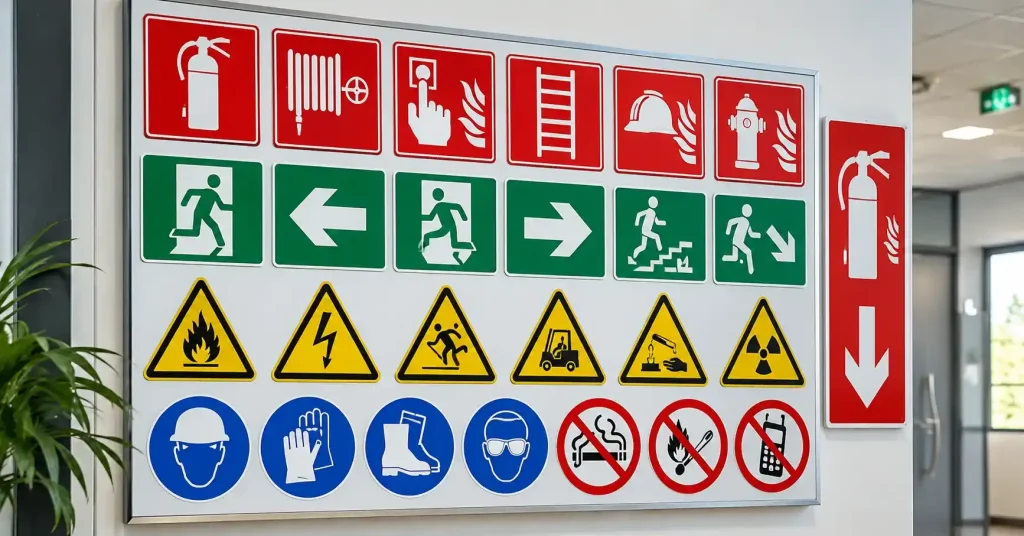
Fire Safety Signage plays an important role in protecting people inside offices, shops, residential buildings, warehouses, hotels, and commercial facilities. During an emergency, clear signs can help occupants identify exits, locate firefighting equipment, and follow evacuation routes without unnecessary confusion. A well planned signage system is especially important in busy buildings where visitors may not know the layout. Businesses searching for Fire Safety Signage dubai should consider visibility, placement, durability, and applicable local safety requirements before selecting signs. The right signs support emergency preparedness and help building managers communicate important instructions quickly. Although signage cannot prevent every incident, it can make essential safety information easier to recognise when people need it most.
1. Fire Exit and Emergency Exit Signs
Fire exit signs help people identify the routes they should use to leave a building during an emergency. They are essential in offices, shopping centres, hotels, schools, factories, and other places where occupants may need to evacuate quickly.
Clearly Marked Exit Routes
Exit signs should be positioned where people can see them while moving through corridors, hallways, staircases, and other circulation areas. Signs may be needed above doorways, at corridor intersections, and wherever the correct direction is not immediately obvious.
Emergency exit signs should use clear symbols and wording that occupants can understand quickly. Consistent placement throughout a building helps people follow the evacuation route instead of stopping to search for directions.
Illuminated Exit Signage
In areas where normal lighting could fail during an emergency, suitable illuminated or emergency powered exit signs can improve visibility. The required type depends on the building design and applicable safety regulations.
Building managers should ensure that exit routes remain unobstructed and that signs are not hidden by decorations, equipment, or temporary displays. A visible sign is only useful when the route behind it is safe and accessible.
2. Fire Extinguisher and Firefighting Equipment Signs
Fire extinguishers, hose reels, and other firefighting equipment must be easy to locate. During a developing incident, people may have very little time to search for the nearest equipment. Appropriate identification signs help occupants and trained staff find the correct location.
Fire Extinguisher Identification
Fire extinguisher signs indicate where portable extinguishers are installed. They are particularly useful when equipment is mounted in recessed areas, placed near columns, or surrounded by shelves and other objects.
The sign should be positioned so it remains visible from a reasonable distance. Its location should correspond accurately with the equipment below or nearby. Different extinguisher types are intended for different fire risks, so signs should not encourage people to use equipment without appropriate training.
Hose Reels and Fire Equipment
Separate signs may identify fire hose reels, fire blankets, hydrants, and other designated equipment. Clear identification reduces uncertainty and helps authorised personnel find the correct resources.
Effective Fire Safety Signage should be consistent across the building. Symbols, colours, and positioning should follow the relevant standards rather than relying on decorative designs that might confuse users.
3. Fire Alarm and Warning Signs
Fire alarm signs help occupants identify alarm call points and understand where emergency warning equipment is located. They also support staff who may need to activate an alarm or respond to a developing situation.
Manual Call Point Signs
Manual call points allow people to activate a building’s fire alarm system. Signs should make these devices easy to identify, especially in corridors, shared areas, and locations near exits.
Keep call points accessible and free from objects that could obstruct them. Staff should understand the purpose of the alarm system and know the correct procedure for reporting a suspected fire.
General Fire Warning Signs
Warning signs can communicate important information about fire hazards, restricted areas, and precautions that occupants must follow. Their wording should be short, clear, and relevant to the location.
For example, areas containing combustible materials may require suitable hazard warnings. Electrical rooms and plant areas may also need signs that restrict access to authorised personnel. The exact signage depends on the hazards present and the applicable building requirements.
4. Evacuation Maps and Fire Safety Instruction Signs
Evacuation signs provide additional information beyond the location of exits and equipment. They help occupants understand where to go and what actions to take when an alarm sounds.
Emergency Evacuation Plans
Evacuation maps can show the building layout, escape routes, emergency exits, and designated assembly points. They are particularly useful in large offices, hotels, hospitals, residential towers, and public buildings where visitors may be unfamiliar with the surroundings.
Maps should reflect the actual building layout and remain easy to read. If the floor plan or exit arrangement changes, the displayed information should be reviewed and updated.
Fire Action Instructions
Fire action signs communicate the steps occupants should follow when a fire is discovered or an alarm is activated. Depending on the building procedure, instructions may explain how to raise the alarm, leave through a safe route, and proceed to the designated assembly point.
Instructions should be consistent with the building’s emergency plan. Avoid overcrowding signs with excessive text because people need to understand the main message quickly.
5. Choosing and Installing the Right Fire Safety Signs
Selecting appropriate signage involves more than choosing a design. Building managers should consider the building’s use, potential hazards, visibility, installation environment, and relevant regulatory requirements.
Materials, Visibility, and Placement
Signs should be made from materials suitable for their location. Indoor signs may have different requirements from signs installed in exposed outdoor areas, industrial facilities, or humid environments. Durable finishes can help maintain readability over time.
Consider the viewing distance, lighting conditions, mounting height, and possible obstructions before installation. Signs should remain visible under the conditions in which they are expected to be used.
UAE Requirements and Routine Inspections
In Dubai and other Emirates, fire safety signage must be selected and installed in line with applicable UAE Fire and Life Safety Code requirements and the directions of the relevant authority. Requirements may vary according to building type, occupancy, and the approved fire safety design.
Building managers should arrange routine inspections to check for missing signs, faded symbols, damaged surfaces, blocked visibility, and outdated evacuation information. Any changes should be reviewed by a competent fire safety professional where required. Properly maintained signage supports a wider safety system that includes alarms, firefighting equipment, staff training, and evacuation planning.
Frequently Asked Questions
1. What types of fire safety signage does a building need?
Most buildings require suitable exit signs, fire extinguisher identification, alarm call point signs, evacuation instructions, and hazard warnings where applicable. The exact selection depends on the building layout, occupancy, fire risks, and relevant safety regulations.
2. Where should fire exit signs be installed?
Fire exit signs should be visible along designated escape routes, near exit doors, and at decision points where occupants might otherwise become confused. Placement must follow the approved evacuation design and applicable building safety requirements.
3. Are illuminated fire exit signs necessary?
Illuminated or emergency powered signs may be required where visibility must be maintained during lighting failures or other emergencies. The appropriate solution depends on the building’s design, escape routes, and applicable regulations.
4. How often should fire safety signs be inspected?
Signs should be checked as part of routine building safety inspections. The inspection schedule should reflect building requirements and risk levels. Managers should promptly address missing, obscured, damaged, or outdated signs.
5. Are fire safety signs required in Dubai buildings?
Fire safety signage requirements depend on the building type, approved fire safety arrangements, and applicable UAE regulations. Building owners and managers should consult the relevant authority or a qualified fire safety professional to confirm what is required.
Conclusion
Effective Fire Safety Signage helps people identify emergency exits, locate firefighting equipment, recognise alarms, and follow evacuation instructions. Every building should have a signage plan that reflects its layout, occupancy, hazards, and emergency procedures. Clear placement, suitable materials, readable symbols, and regular inspections all contribute to a safer environment.
For businesses planning new safety signs or updating existing building signage in Dubai and across the UAE, Ajwaa Sign can help you explore suitable signage options for your project. Contact the team to discuss your requirements and request a quotation for clear, durable safety signage that supports your building’s overall fire safety plan.