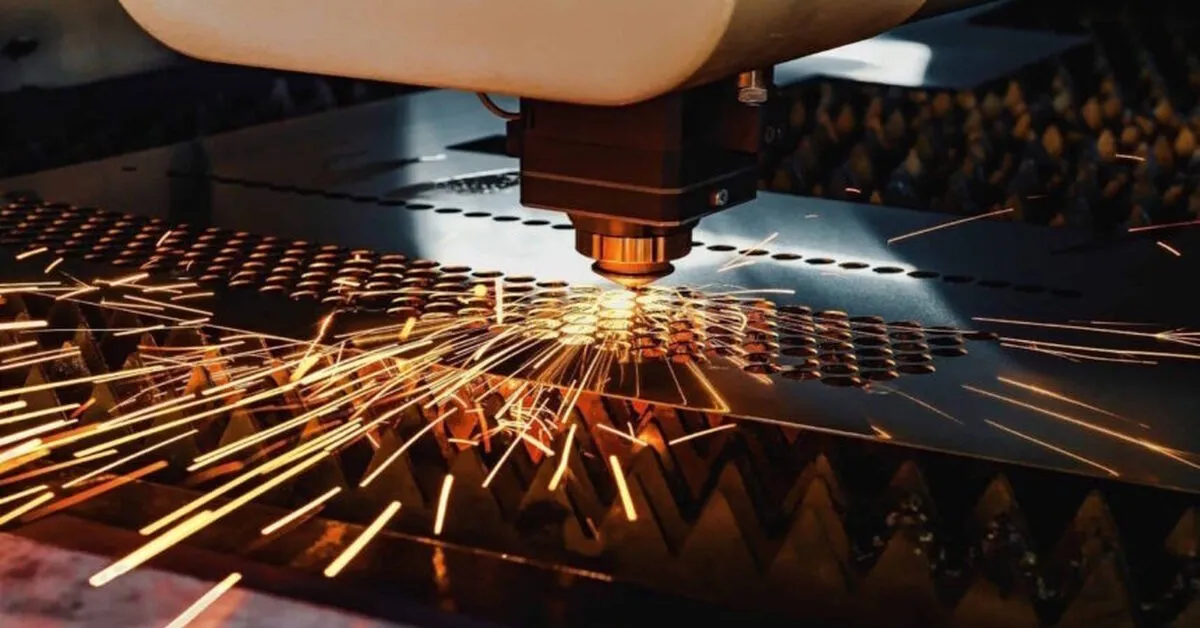
Choosing the right Laser Cutting machine can make a major difference in production speed, product quality, and daily operating costs. Whether you run a signage company, fabrication shop, furniture business, or custom manufacturing operation, the machine you select should match your actual workload. Businesses looking for laser cutting dubai services also need to consider material types, project sizes, precision, and turnaround expectations. A good machine should make work easier while giving your team room to grow. Before spending money on equipment, take time to understand your production needs, available workspace, and long term goals.
Start With Your Business Needs
The best machine is not always the most powerful or expensive option. Your business requirements should guide the decision from the start.
Identify Your Main Materials
Think about the materials you cut most often. Acrylic, wood, cardboard, fabric, plastic, stainless steel, mild steel, and aluminum can require different machine capabilities. Some equipment is designed mainly for nonmetal materials, while fiber based systems are commonly used for metal work.
If your company produces signs in Dubai, Sharjah, or Abu Dhabi, acrylic and metal sheets may be regular materials. A machine that handles both can give you more flexibility and help reduce outsourcing.
Consider Your Typical Projects
Look at your average order size and design requirements. A small workshop may need a compact system for custom orders, while a busy production floor may need a larger working area and faster processing. Think about sheet dimensions, cutting thickness, design complexity, and how many jobs you complete each week.
Choose the Right Machine Power
Machine power affects the materials you can process and the speed at which you can complete jobs. Choosing too little power can limit production, while buying far more power than you need may increase your initial cost without providing a useful return.
Match Power to Material
For thin acrylic, wood, paper, and similar materials, a lower power system may be enough. Metal fabrication usually requires a fiber laser with suitable power for the thickness and material involved. Always check the manufacturer’s recommended cutting range before making a decision.
Think About Future Growth
Your current workload matters, but future demand matters too. If you expect more orders, thicker materials, or larger projects, choose equipment that can support that growth. The right Laser Cutting setup should remain useful as your customer base expands.
Compare Speed, Accuracy, and Work Area
Production speed is important, but speed alone should never determine your purchase. A machine that works quickly but produces inconsistent results can create wasted material and unhappy customers.
Look at Cutting Accuracy
Clean edges and accurate dimensions matter in signage, metal fabrication, decorative panels, and custom products. Ask about positioning accuracy, repeatability, and the machine’s control system. A reliable system can help your team produce consistent results across multiple orders.
Check the Working Area
The cutting bed should fit the materials and sheet sizes you regularly use. A larger bed can reduce the need to reposition materials, which can save time during busy production periods. For sign makers, this can be especially helpful when producing large letters, panels, logos, and display components.
Consider Software and Daily Operation
A good machine should be practical for your team to use every day. Software, controls, maintenance needs, and operator training can affect productivity just as much as the machine itself.
Review Design Compatibility
Check whether the system works with the design software your team already uses. Common file formats and simple job setup can make the production process easier. Features such as automatic focusing, nesting, power control, and adjustable speed can also improve workflow.
Plan for Regular Care
Every machine needs routine attention to maintain performance. Keep lenses, mirrors, filters, work surfaces, and other key components clean according to the manufacturer’s instructions. Staff should also know how to monitor airflow, cooling systems, and machine settings.
Simple maintenance habits can help prevent unexpected downtime and keep production moving during busy periods.
Balance Cost With Long Term Value
Price is important, but the cheapest machine may not be the best investment. Consider the total cost of ownership, including electricity, consumables, software, training, maintenance, and expected production capacity.
Calculate Your Return
Estimate how many jobs you can complete each month and compare that figure with your operating costs. If a faster machine allows you to accept more orders, reduce outsourcing, and finish projects sooner, the additional investment may make financial sense.
Check Local Support
Local technical support can be valuable when you depend on your machine for daily production. Businesses across Dubai, Sharjah, and Abu Dhabi should consider supplier availability, spare parts access, training, and response times before purchasing equipment.
A dependable supplier can help you choose equipment that fits your workflow instead of simply selling you the most expensive option.
Understand Different Laser Technologies
Not every Laser Cutting system works in the same way. The main technology you choose should match your materials and production goals.
CO2 Laser Systems
CO2 machines are commonly used for materials such as acrylic, wood, paper, fabric, leather, and certain plastics. They are often a practical choice for signage and decorative product businesses.
Fiber Laser Systems
Fiber machines are widely used for metal cutting and engraving. They can process materials such as stainless steel, aluminum, brass, and mild steel, depending on the machine specifications.
The right technology depends on what your business produces most often. Understanding this difference can prevent you from buying equipment that does not suit your regular workload.
Frequently Asked Questions
What materials can a laser cutting machine process?
The answer depends on the machine type. CO2 systems commonly handle acrylic, wood, paper, and fabric, while fiber systems are generally used for metals such as stainless steel and aluminum.
How much power does a laser machine need?
Power requirements depend on the material, thickness, cutting speed, and workload. A supplier can recommend suitable power after reviewing your production needs.
Is laser engraving different from laser cutting?
Yes. Cutting separates material along a designed path, while engraving marks or removes a surface layer to create text, patterns, logos, or detailed artwork.
Is a large cutting bed always better?
Not necessarily. A larger bed is useful for large sheets and signs, but a smaller machine may be more practical for limited workspace and smaller projects.
How can businesses improve cutting efficiency?
Use suitable machine settings, organize designs carefully, maintain clean components, and select equipment that matches your regular materials and production volume.
Conclusion
Choosing the right Laser Cutting machine comes down to understanding your materials, workload, workspace, budget, and future plans. Focus on useful power, dependable accuracy, suitable technology, practical software, and reliable local support. A well chosen machine can improve production, reduce wasted material, and help your business take on more work with confidence. For companies like Ajwaa Signage serving customers throughout Dubai, Sharjah, and Abu Dhabi, making the right equipment decision can support steady growth and faster order completion. When you are ready to make the next move, Choose Wisely.