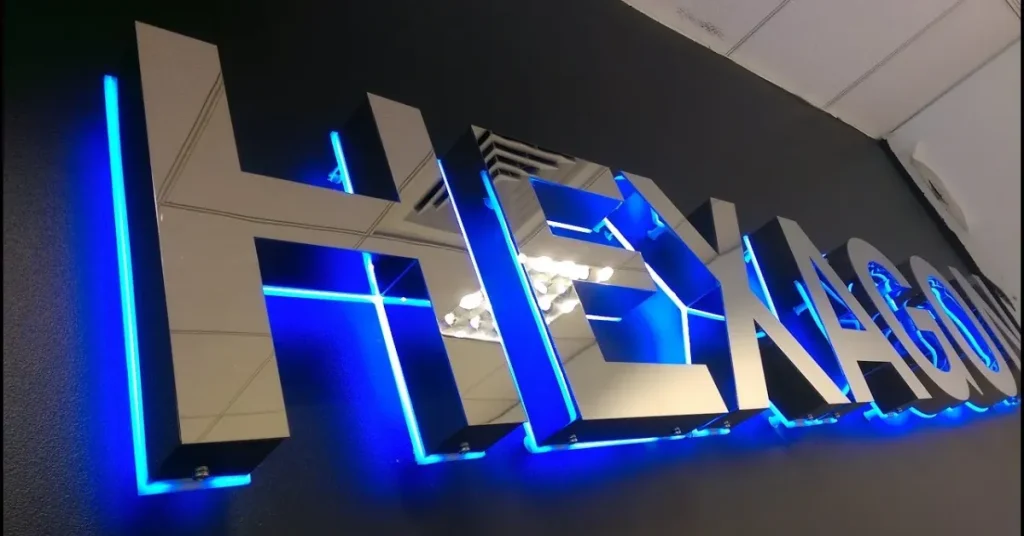
A bright, clear sign helps customers recognise a business, even after sunset. Behind that glow is a lighting system designed to distribute light evenly while using electricity efficiently. LED Signboard Lighting Dubai is a practical choice for shops, restaurants, offices, showrooms, and commercial buildings that need attractive signage throughout the day. Its performance depends on more than the LEDs themselves. The modules, power supply, wiring, signboard materials, and installation all influence the final result. Understanding these components makes it easier to choose signage that looks professional, remains visible at night, and suits the needs of your business.
What Is LED Signboard Lighting and How Does It Work?
LED stands for light emitting diode. It is an electronic component that produces light when an electrical current passes through it. Unlike traditional lighting technologies, LEDs can provide strong illumination with relatively low energy consumption and limited heat output.
How LEDs Produce Light
Inside an LED, electrical energy is converted into light through a process called electroluminescence. Multiple LEDs are arranged together to create the brightness required for a sign. Their number, spacing, colour, and position affect how clearly the lettering or graphics appear.
LED Signboard Lighting is commonly used in channel letters, acrylic signs, light boxes, reception signs, and illuminated building names. Some designs direct light through translucent acrylic, while others create a glow around the edges or behind the letters.
Why Businesses Choose LED Signage
LED illumination helps businesses maintain visibility during evening hours without relying on high energy lighting systems. It also supports different colours and creative designs, making it suitable for retail branding, hospitality venues, and corporate environments. The right configuration depends on sign size, viewing distance, ambient light, and the appearance a business wants to achieve.
Understanding LED Modules Used in Signboards
LED modules are small lighting units that contain one or more light emitting diodes. They are installed inside sign letters, cabinets, or light boxes to distribute illumination across the display.
Types of LED Modules
Different sign designs require different module arrangements. Common options include compact modules for narrow letters, high brightness modules for larger signs, and specialised modules for particular lighting effects.
The most suitable option depends on the depth of the sign, the material used, and the required brightness. For example, shallow channel letters may need carefully selected modules to avoid visible bright spots, while a large light box needs an arrangement that spreads light evenly across its face.
Why Module Placement Matters
Even high quality LEDs can produce a poor result if they are positioned incorrectly. Modules placed too close together may waste power, while excessive spacing can leave dark patches. Reflective interiors and suitable translucent sign faces help distribute light more consistently.
For effective LED Signboard Lighting, installers should consider the letter depth, module viewing angle, spacing, and brightness rating before assembly. These details are particularly important for 3D signage and illuminated shop signs, where uneven lighting can affect the appearance of the entire brand.
What Does an LED Driver or Power Supply Do?
LED modules require an appropriate electrical supply to operate safely and consistently. The power supply converts the incoming electricity into the voltage and current required by the lighting system.
Understanding LED Drivers
An LED driver regulates the electrical output supplied to LEDs. Depending on the system, it may provide constant current or constant voltage. Many signage modules are designed to operate with a specified low voltage supply, such as 12 volts or 24 volts. The exact requirement must match the manufacturer’s specifications.
Choosing an unsuitable driver can cause flickering, inconsistent brightness, overheating, or premature component failure. A correctly matched unit helps the sign operate reliably.
Calculating Power Requirements
Before selecting a power supply, installers should calculate the total wattage of the connected modules. For example, if a sign uses modules with a combined load of 60 watts, the power supply must support that load and allow appropriate headroom according to the manufacturer’s guidance.
Electrical connections should also account for cable length, voltage drop, environmental conditions, and access for maintenance. In larger installations, the load may need to be divided across multiple power supplies to maintain consistent illumination.
How Electricity, Wiring and Brightness Work Together
A sign’s appearance depends on how efficiently electricity reaches every lighting module. Correct wiring helps maintain stable illumination, while proper component selection reduces unnecessary energy use.
Voltage, Wattage and Energy Consumption
Voltage describes the electrical potential supplied to the system, while wattage measures the rate of electrical power consumption. A higher wattage does not automatically mean a better sign. Brightness, optical design, LED efficiency, and sign construction all influence the result.
For example, a well designed shop sign with correctly positioned modules may appear brighter and more uniform than another sign that uses more power but has poor internal spacing.
Preventing Uneven Illumination
Long cables can cause voltage drop, particularly when the wiring is undersized or the electrical load is high. This may make some sections appear dimmer than others. Correct cable sizing, suitable power supply placement, and properly planned electrical connections help limit this problem.
Professional installation also includes checking polarity, protecting connections, and ensuring components are suitable for their operating environment. These measures support dependable LED Signboard Lighting and help preserve a consistent appearance across the entire sign.
Choosing LED Lighting for Different Signboard Designs
Every signage style has different lighting requirements. Selecting the right arrangement improves visibility and helps the finished display match the brand’s identity.
Channel Letters and 3D Signboards
Channel letters contain individual letters or shapes that can be illuminated internally. LEDs are positioned inside the letter housing to produce a bright face or another specified lighting effect. The depth, face material, and colour influence how the light appears.
Backlit letters use illumination directed towards the mounting surface, creating a halo effect. Front lit letters send light through the visible face. Some designs combine both effects for a distinctive appearance.
Light Boxes and Acrylic Signs
Light boxes use an illuminated enclosure with a translucent front panel. The LED arrangement needs to distribute light across the panel rather than concentrating it in a few areas. Acrylic signs can also use internal illumination to make lettering and graphics stand out.
When planning LED Signboard Lighting, businesses should consider daytime appearance, nighttime visibility, viewing distance, and surrounding lighting. A sign outside a busy shopping area may need a different brightness level from a reception sign inside an office.
Maintenance Tips for Reliable LED Signage
Although LEDs generally have a long operating life, the complete sign system still needs occasional inspection. Dust, moisture, loose connections, and unsuitable electrical components can affect performance over time.
Keep the Lighting System in Good Condition
Useful maintenance practices include:
• Clean the visible sign surface using a suitable method recommended for its material.
• Inspect the sign for flickering, dim sections, or changes in colour.
• Check that power supplies and electrical connections remain protected from moisture.
• Ensure ventilation openings are clear where the design requires airflow.
• Arrange qualified electrical inspections when signs show unusual behaviour.
Outdoor signs in Dubai and other parts of the UAE may face heat, dust, humidity, and direct sunlight. Choosing components rated for the installation environment is therefore important. Electrical work should be handled by qualified professionals, especially when signs are mounted at height or connected to building power systems.
Frequently Asked Questions
1. How does LED signboard lighting work?
LEDs produce light when electrical current passes through them. Modules are arranged inside the sign, while a suitable power supply delivers the required electricity. Their placement and the sign’s materials help determine brightness and light distribution.
2. What is the difference between an LED module and an LED driver?
An LED module produces light and is installed inside the sign. An LED driver regulates the electrical supply required by the lighting system. Both components must be compatible for safe and consistent operation.
3. How much electricity does an illuminated signboard use?
Electricity consumption depends on the total wattage and the number of hours the sign remains switched on. A 60 watt sign operating for 10 hours uses 0.6 kilowatt hours of electricity, excluding any additional equipment.
4. Why does an LED signboard sometimes look uneven?
Uneven illumination can result from poor module spacing, unsuitable sign depth, voltage drop, or an incorrect power supply. Proper design and component selection help distribute light more consistently across the sign.
5. Are LED signboards suitable for outdoor use in Dubai?
Yes, when they are designed with suitable materials, weather protection, and components rated for outdoor conditions. Proper installation helps the sign withstand local heat, dust, and humidity while maintaining visibility.
Conclusion
LED illuminated signs combine efficient lighting components, suitable power supplies, and thoughtful design to create clear, attractive displays for businesses. Understanding LED modules, drivers, wiring, and power requirements helps you make better decisions when planning a new signboard. From 3D channel letters to acrylic displays and illuminated light boxes, the right system can improve visibility and support a consistent brand image.
For professional signage solutions tailored to your business, Start Your Project with Ajwaa Sign to discuss your requirements and choose an illuminated sign that suits your location, design, and visibility goals.