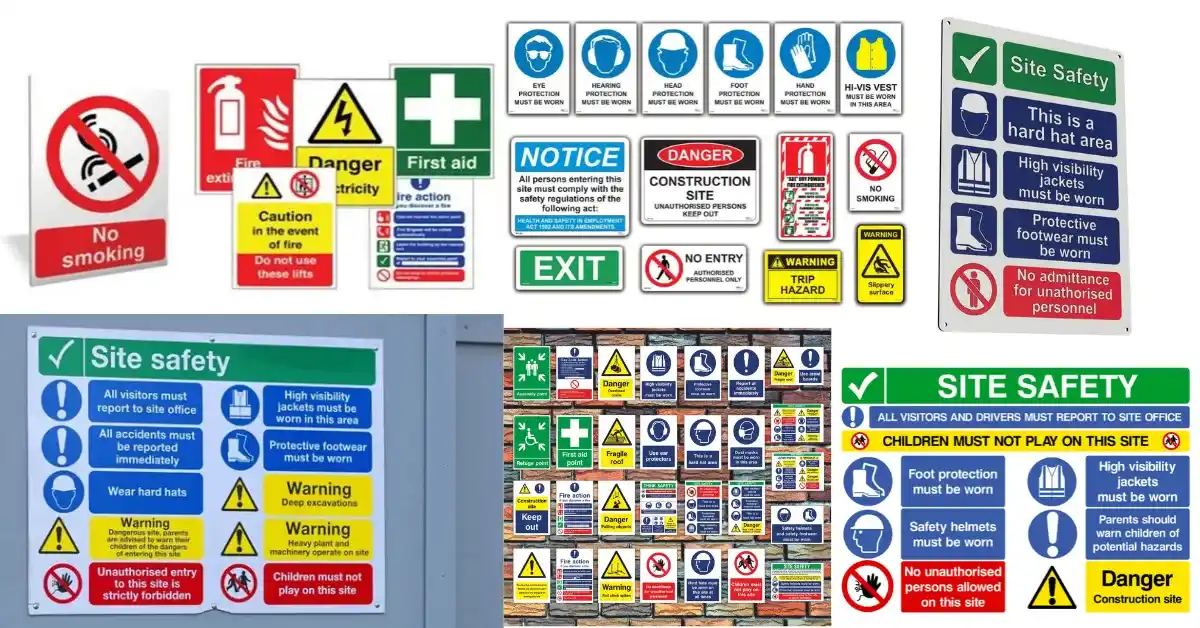
Walk into any busy office tower or shopping complex and you will spot them without trying: exit arrows, fire point markers, wet floor warnings. Most people ignore them until the moment they matter. A well chosen safety sign board can guide a crowd calmly during an emergency, and it can stop a small mistake from becoming a serious accident. Whether you manage a new development or an established building, working with a supplier of Custom Construction Safety Signs in Dubai helps you match every message to your site. Here is a practical look at what to consider before you place an order.
Understand What Your Building Actually Needs
Before comparing prices or colours, take a slow walk through your property with a notepad. Look at corridors, stairwells, car parks, plant rooms, and loading bays. Each area carries different risks, and each risk needs a clear message.
Know the Main Sign Categories
Most commercial sites need four types. Prohibition signs tell people what not to do. Warning signs flag hazards such as slippery floors or high voltage. Mandatory signs explain what must be worn or done, like hard hats or protective eyewear. Safe condition signs point to exits, first aid kits, and assembly points. Using the correct category keeps your message instantly recognisable, even to a visitor who has never been inside.
Spot the Gaps Before an Incident Does
A facilities manager I know once discovered that a rarely used service corridor had no warning about a low ceiling. Three people had bumped their heads that year, and nobody had reported it. One small sign solved the problem. Fresh eyes often notice what daily users overlook.
Follow Recognised Standards and Colour Codes
Colour is the first thing a person reads, long before the words. That is why recognised standards matter so much.
Colour and Shape Basics
Red generally signals prohibition or fire equipment. Yellow or amber warns of danger. Blue instructs, and green marks exits and safe routes. Shapes carry meaning as well, with circles for commands, triangles for warnings, and rectangles for safe conditions. Following these conventions means a visitor from anywhere in the world understands your safety sign board within a glance.
Bilingual and Pictogram Support
Commercial buildings host staff and guests from many backgrounds. Pairing a clear pictogram with short English and Arabic text removes confusion. Keep the wording direct, such as No Entry or Fire Exit, because long sentences get skipped in a hurry. Always confirm local civil defence and municipality requirements before finalising your list, since rules can differ by building type and size.
Choose Materials That Suit the Environment
A sign that peels, fades, or cracks within a year sends the wrong message about your site. Pick materials based on where each piece will live.
Indoor Options
Aluminium composite, rigid PVC, and acrylic work beautifully inside offices and malls. They stay flat, wipe clean easily, and look tidy. For corridors and staircases, photoluminescent boards are a smart choice because they glow in low light or during a power cut, guiding people toward exits when ordinary lighting fails.
Outdoor and High Exposure Areas
Car parks, entrances, rooftops, and service yards face heat, dust, and strong sun. Here you want powder coated aluminium with UV resistant printing and reflective sheeting. Reflective faces catch headlights at night, which is especially useful for road safety sign boards guiding vehicles around a basement ramp or delivery area. Ask your supplier to show weathered samples so you can judge the finish in real daylight.
Placement, Size, and Visibility Matter
Even a perfect board fails if nobody can see it. Placement is half the battle.
Mind the Height and Distance
Mount signs at eye level where possible, roughly between one and a half and two metres from the floor, and keep them free from obstruction. Larger lettering is needed wherever people approach from a distance, such as a long corridor or a wide car park. A good rule of thumb is that the text should be readable in a couple of seconds without stopping.
Avoid Sign Overload
More is not always better. A wall plastered with ten messages becomes visual noise, and people stop reading altogether. Group related information, keep layouts clean, and leave breathing space around each board. Think of it as a conversation: one clear message at a time lands better than a crowd shouting.
Special Considerations for Construction and High Risk Zones
Buildings under development or undergoing major works face a different level of risk, and the signage must keep up.
Site Entrances and Hazard Zones
Safety sign boards for construction site entrances should list mandatory protective equipment, speed limits, and visitor rules in one organised panel. Inside the site, use clear markers for excavation, scaffolding, electrical hazards, and crane operations. Construction safety sign boards also need to be tougher, with thicker substrates and fade resistant inks, because they are moved, knocked, and exposed daily.
Temporary Versus Permanent Signs
Short term works may call for lightweight, portable boards that can be repositioned. Long term hazards deserve fixed, bolted installations. Plan both from the start, so you are not scrambling when a new phase begins. A custom order also lets you include your project name, contact details, and emergency numbers in a neat, consistent layout.
Quick Care Tips
- Wipe boards monthly with mild soap and a soft cloth
- Replace faded or damaged panels immediately
- Check fixings and brackets every season
- Review layouts after any change to the building
Working with the Right Supplier
A dependable partner makes the whole process smoother. Ask to see completed projects of a similar size, and check whether they handle design, printing, fabrication, and installation under one roof. Request a written quote that lists materials, sizes, quantities, and delivery timelines so you can compare offers fairly. Good suppliers will also advise on compliance rather than simply taking an order. Choose a team that listens first and sells second, and you will end up with signage that works hard for years instead of looking tired within a season.
Frequently Asked Questions
What is a safety sign board and why is it important?
It is a clearly marked panel that communicates hazards, rules, or safe routes through colours, symbols, and short text. In commercial buildings, it helps people avoid accidents, find exits quickly, and follow site rules, which keeps staff, tenants, and visitors protected every day.
Which materials work best for commercial buildings?
Aluminium composite and rigid PVC suit most indoor areas, while powder coated aluminium with UV resistant printing handles outdoor exposure. Photoluminescent panels help in dark corridors and stairwells. Choose based on location, lighting, and how often the board will be cleaned or touched.
How many signs does a commercial building need?
There is no single number. The total depends on floor area, layout, occupancy, and the hazards present. A site survey identifies exits, fire points, hazard zones, and entrances. Most buildings need far more than owners expect, especially in stairwells, car parks, and plant rooms.
Are construction safety sign boards different from regular ones?
Yes. Construction safety sign boards are built tougher, with thicker substrates, reflective faces, and fade resistant inks. They also carry specific messages about protective equipment, restricted zones, and machinery, since active sites change constantly and face harsher conditions than finished buildings do.
Can I order custom designs with my company details?
Absolutely. Custom orders can include your logo, project name, emergency contacts, and bilingual wording while still following standard colour codes. This keeps your signage consistent, professional, and easy to understand, and it makes updates simple whenever your site layout or rules change.
Keep Everyone Safe with Signs That Speak Clearly
The right safety sign board does quiet, important work every single day. It guides, warns, and reassures, often when people have no time to think. By understanding your building, following recognised colour codes, choosing durable materials, and placing each message thoughtfully, you create a safer space for everyone who walks through the door. Do not wait for an incident to reveal the gaps. When you are ready to protect your people and your property, Get a Free Quote from Ajwaa Signage and let a local team design signs your building can rely on.