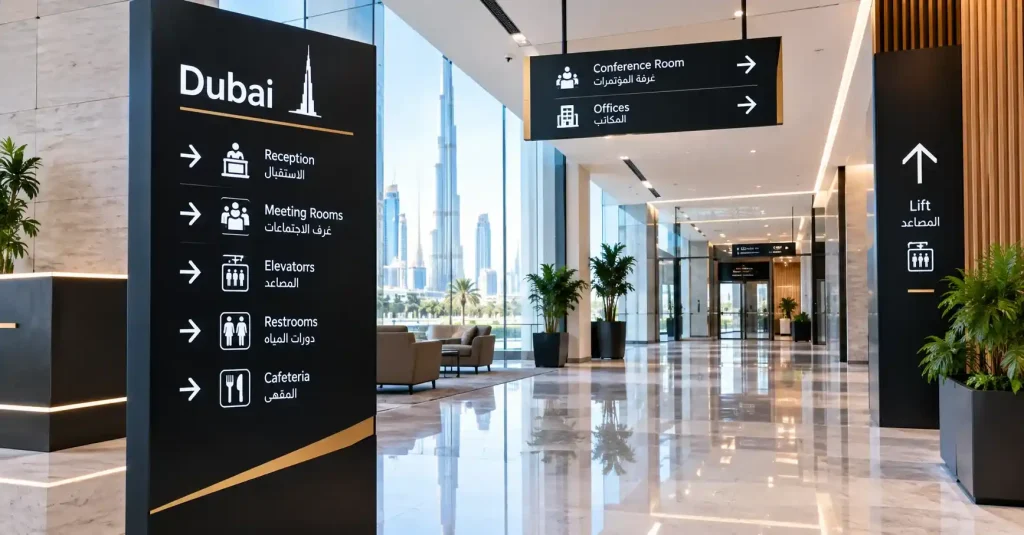
Finding your way around a large building, shopping centre or public space should feel simple rather than stressful. People want to reach their destination without repeatedly asking for directions or checking their phones. This is where Wayfinding Design makes a difference. It combines visual communication, clear directions and strategically placed signs to help visitors understand their surroundings. Businesses in Dubai use Commercial Wayfinding Signage Dubai to make offices, retail spaces, hotels and commercial properties easier to navigate. A well planned system does more than display arrows. It creates a comfortable experience, improves accessibility and helps visitors move confidently from one location to another.
What Is Wayfinding Design?
Wayfinding Design is the process of planning visual information and physical signs that guide people through unfamiliar environments. It helps visitors understand where they are, identify important destinations and choose the correct route.
A complete wayfinding system may include directional signs, building directories, identification signs, floor maps, entrance signs and information boards. Each element has a specific purpose and should work together with the others.
For example, imagine entering a shopping mall with several floors, hundreds of shops and multiple entrances. Without clear navigation, finding a particular store can become frustrating. Properly positioned signs help visitors locate shops, elevators, washrooms, parking areas and emergency exits.
How Does a Wayfinding System Work?
An effective system provides useful information at different stages of a visitor’s journey.
- Identification: Helps people recognise their current location.
- Direction: Shows which route leads to their destination.
- Confirmation: Reassures visitors that they are following the correct path.
- Destination: Identifies the final location, such as an office, shop or department.
When these elements work together, navigation becomes more natural and convenient.
Important Principles of Effective Wayfinding Design
Good navigation depends on more than attractive graphics. Signs must communicate information clearly, remain consistent and appear where people actually need them.
1. Clear and Simple Communication
Visitors should understand a sign within a few seconds. Complicated messages, unnecessary information and confusing symbols can make navigation difficult.
Use familiar words, recognisable icons and short directions. For example, a sign displaying Reception with a simple arrow is easier to understand than a long explanation.
2. Consistent Visual Identity
Every sign within a building should follow a consistent visual style. Colours, fonts, symbols and layouts should remain recognisable throughout the property.
A consistent appearance helps visitors identify official directions quickly. It also allows businesses to maintain their branding across different floors and departments.
3. Strategic Sign Placement
Even an attractive sign becomes ineffective when visitors cannot see it at the right moment. Signs should be positioned near entrances, corridors, intersections, elevators and important decision points.
Think about where someone might hesitate or become confused. Those locations usually need better directional information.
4. Accessibility and Readability
Navigation should be comfortable for people with different abilities. Appropriate font sizes, strong colour contrast, readable layouts and suitable viewing heights improve usability.
Tactile lettering, Braille signs and accessible symbols can also help people with visual impairments navigate buildings more independently.
Different Types of Wayfinding Signage
Different environments require different signage solutions. Selecting the right combination depends on the building layout, visitor requirements and the type of information being communicated.
Directional Signage
Directional signs guide visitors towards specific locations using arrows, words and symbols. They are commonly installed in shopping centres, hospitals, hotels, offices and educational institutions.
Identification Signs
These signs identify individual spaces, including meeting rooms, departments, reception areas, washrooms and offices. They help visitors recognise their destination once they arrive.
Informational Signage
Informational signs provide details about a location or facility. Building directories, floor plans, visitor instructions and facility information boards are common examples.
Regulatory and Safety Signs
These signs communicate important rules and safety instructions. Examples include restricted access notices, fire exit signs, emergency instructions and accessible facility symbols.
Using the correct signage category makes navigation more organised while helping visitors understand important building information.
Real Examples of Wayfinding Design in Different Environments
The best way to understand practical navigation is to look at how different businesses and public facilities use signage.
Shopping Malls and Retail Centres
Shopping centres often contain multiple floors, entrances, entertainment areas and hundreds of retail outlets. Floor directories, overhead directional signs and parking indicators help visitors locate their destinations.
For example, someone visiting a mall for the first time should be able to identify the nearest elevator, food court or retail section without asking staff for assistance.
Hospitals and Healthcare Facilities
Hospitals need particularly clear navigation because visitors may already be worried or in a hurry. Directional signs can guide patients towards emergency departments, laboratories, consultation rooms and pharmacies.
Colour coded departments, floor directories and clear room identification make large healthcare facilities easier to understand.
Corporate Offices and Commercial Buildings
Office buildings receive employees, clients, delivery personnel and other visitors every day. Reception signs, floor directories, meeting room identifiers and elevator information help everyone reach the correct department.
A professional signage system also creates a more organised impression of the workplace.
Hotels and Hospitality Properties
Hotels use room numbers, lobby directories, restaurant signs, elevator indicators and facility directions to improve guest experiences. Clear information allows visitors to find their rooms, restaurants, swimming pools and other facilities comfortably.
How to Plan a Successful Wayfinding Signage System
Planning should begin before signs are manufactured or installed. Understanding how people move through a space helps businesses avoid unnecessary signs and confusing directions.
Study the Building Layout
Start by reviewing entrances, exits, corridors, floors and important destinations. Identify areas where visitors are likely to become confused.
A physical walkthrough can reveal navigation problems that may not be obvious from architectural drawings.
Understand Visitor Requirements
Consider who will use the building. Employees, customers, tourists, patients and first time visitors may have different navigation needs.
Their requirements should influence the language, symbols, placement and amount of information displayed.
Choose Suitable Materials
Material selection affects appearance, durability and maintenance requirements. Popular options include acrylic, aluminium, stainless steel and printed panels.
Illuminated signs can improve visibility in darker corridors and large indoor environments. Outdoor directional boards should also be suitable for their installation conditions.
Review and Improve the System
Once installation is complete, observe how visitors interact with the signs. If people repeatedly stop at the same location to ask for directions, that area may need clearer information or improved sign placement.
Regular inspections help keep the entire system readable, accurate and visually consistent.
Why Wayfinding Design Matters for Businesses in Dubai
Dubai has a wide range of commercial developments, shopping destinations, hotels, healthcare facilities and corporate offices. These environments welcome visitors from different countries and language backgrounds.
A properly planned navigation system makes properties easier to explore and creates a positive first impression. It can also reduce the pressure on reception teams who frequently answer basic direction related questions.
Professional wayfinding signage helps businesses:
- Improve the visitor experience.
- Make large buildings easier to navigate.
- Support accessibility and independent movement.
- Strengthen brand identity through consistent graphics.
- Reduce confusion around entrances and departments.
- Present a more organised commercial environment.
For property owners and business managers, investing in suitable signage is an important part of creating a welcoming and functional space.
Frequently Asked Questions
1. What is the main purpose of Wayfinding Design?
The main purpose is to help people navigate unfamiliar environments using clear directions, maps, symbols and identification signs. It makes finding destinations easier while improving accessibility, visitor confidence and the overall experience within commercial and public spaces.
2. What are the four main types of wayfinding signs?
The four common categories are identification signs, directional signs, informational signs and regulatory signs. Each serves a different purpose, from identifying rooms and guiding visitors to communicating important building information and safety instructions.
3. Where is wayfinding signage commonly used?
Wayfinding signage is commonly used in shopping malls, hospitals, airports, hotels, corporate offices, universities and public buildings. These locations benefit from organised navigation because visitors often need to find specific departments, facilities or destinations.
4. What makes a good wayfinding signage system?
A good system uses readable typography, consistent colours, recognisable symbols and carefully positioned signs. It should provide the right information at important decision points while considering accessibility and the needs of different visitors.
5. Can wayfinding signage improve business branding?
Yes. Consistent colours, typography and professionally designed signs can reinforce a company’s visual identity. They also create a more organised environment, helping customers recognise the business and enjoy a smoother experience when visiting its premises.
Conclusion
Effective navigation is an important part of every successful commercial environment. From shopping centres and hotels to corporate offices and healthcare facilities, clear directions help people move comfortably and reach their destinations without unnecessary confusion. A thoughtfully planned Wayfinding Design system combines functionality, accessibility and visual consistency to create better experiences for visitors and employees.
If you want to make your commercial property easier to navigate with professional signage solutions, Start Your Project with Ajwaa Sign. Create a welcoming environment with well planned directional signs, building directories and customised navigation solutions that support your business.